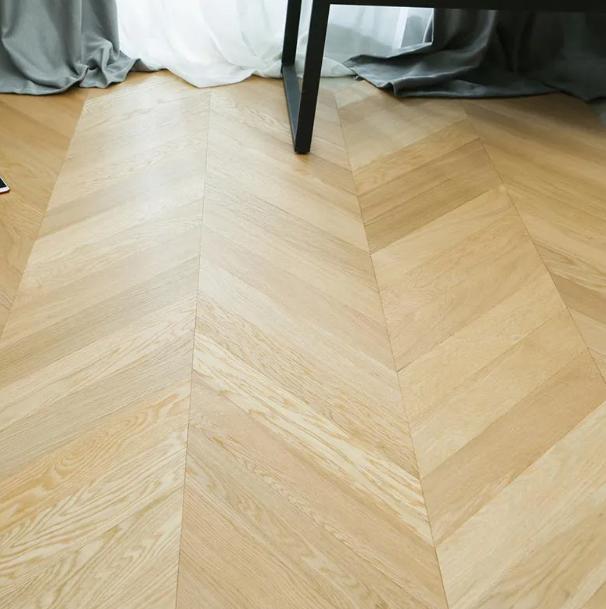
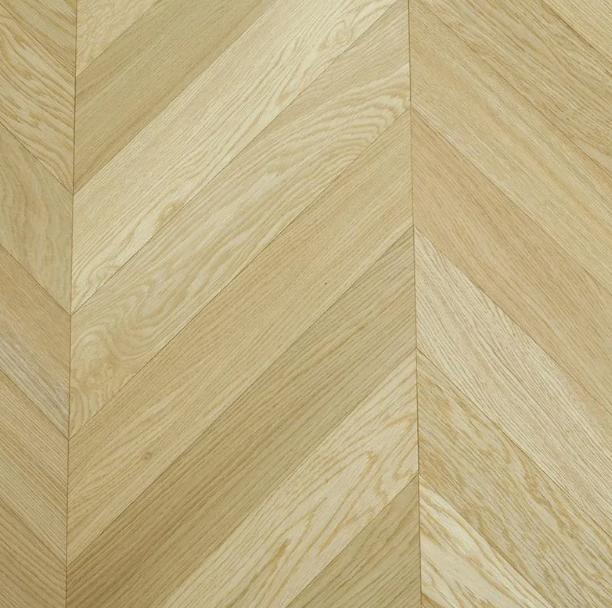
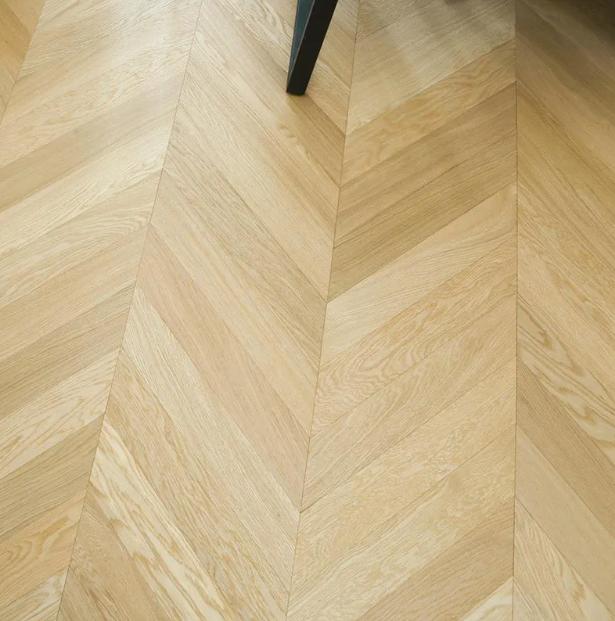
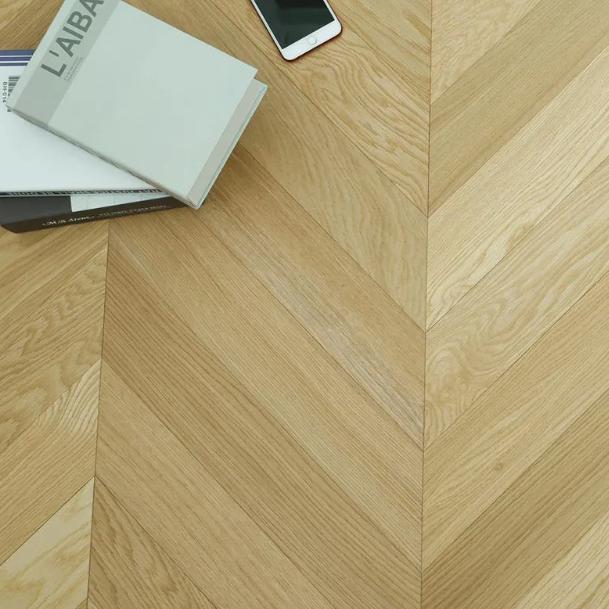

Essential details
MOQ:160
Shipping:Ocean freight
Product Introduction
Why Choose Oak Engineered Wood Flooring?
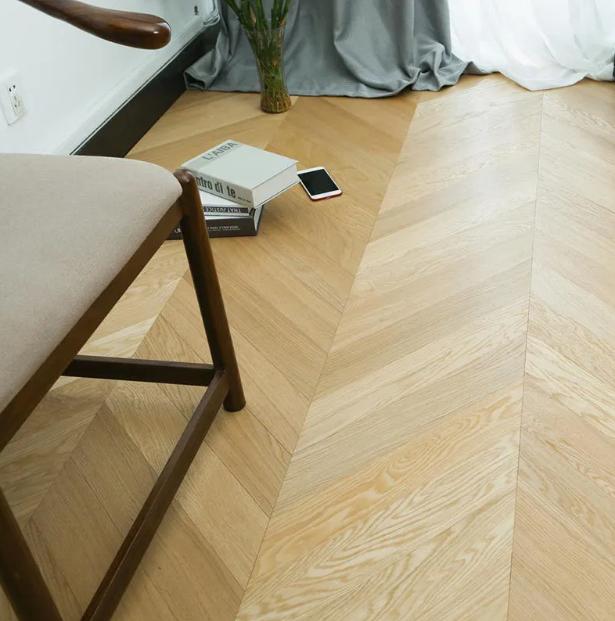
Choosing oak engineered wood flooring is essentially about finding the sweet spot between natural beauty, durability, and budget. In simple terms, you get the look and feel of solid hardwood at a lower cost and with less hassle.
Choosing oak engineered wood flooring is essentially about finding the sweet spot between natural beauty, durability, and budget. In simple terms, you get the look and feel of solid hardwood at a lower cost and with less hassle.
🌳 Why Oak?
Oak is a superstar in the flooring world for two main reasons:
Oak is a superstar in the flooring world for two main reasons:
Beautiful Grain – It features distinctive cathedral / ray fleck patterns that are visually striking. Oak works beautifully with many design styles — modern, Scandinavian, rustic, or traditional.
Hard & Durable – Oak is dense, tough, and resilient. It stands up well to daily wear and tear, making it a long-lasting choice.
🧐 Why "Engineered" Construction?
The "engineered" part solves the biggest headaches of solid hardwood — and this is the real value.
The "engineered" part solves the biggest headaches of solid hardwood — and this is the real value.
Feature Oak Engineered Wood Flooring Solid Hardwood Flooring
💰 Cost More affordable. Great value. Expensive, especially for quality oak.
🏠 Stability Highly stable, resists warping. Cross-layer construction handles humidity and radiant heat / underfloor heating well. Less stable. Expands, contracts, cups, or gaps with seasonal changes.
🔨 Installation & Care Faster, easier (often click-lock). Low maintenance. Requires nailing to subfloor / sleepers. More sensitive to moisture and needs careful upkeep.
♻️ Eco-Friendliness More sustainable. The same log yields about 4x more flooring compared to solid hardwood. Uses large amounts of premium timber.
⚠️ The Only Real Drawback
The top wear layer is real oak veneer, so it can only be sanded and refinished a limited number of times (usually 1–2 times). Solid hardwood can be refinished many more times.
💰 Cost More affordable. Great value. Expensive, especially for quality oak.
🏠 Stability Highly stable, resists warping. Cross-layer construction handles humidity and radiant heat / underfloor heating well. Less stable. Expands, contracts, cups, or gaps with seasonal changes.
🔨 Installation & Care Faster, easier (often click-lock). Low maintenance. Requires nailing to subfloor / sleepers. More sensitive to moisture and needs careful upkeep.
♻️ Eco-Friendliness More sustainable. The same log yields about 4x more flooring compared to solid hardwood. Uses large amounts of premium timber.
⚠️ The Only Real Drawback
The top wear layer is real oak veneer, so it can only be sanded and refinished a limited number of times (usually 1–2 times). Solid hardwood can be refinished many more times.
However, good quality engineered floors have a top layer ≥ 3mm (about 1/8 inch) , which allows for at least 1–2 refinishes — plenty for a typical home's lifetime.
✅ How to Choose a Good Product
When shopping, check these key points:
When shopping, check these key points:
Top layer thickness – This is critical. Look for at least 3mm of solid oak on top. Thicker = more refinishing potential.
Core / substrate – Plywood core is best for stability and moisture resistance. Avoid lower-quality fiberboard cores in wet areas.
Environmental certification – Make sure it meets safety standards for low emissions (e.g., CARB Phase 2 / E1 or stricter standards like ENF / F****).
If you have a rough budget in mind, or if you're planning to install underfloor heating, let me know — I can help you figure out whether engineered oak is the right choice for your specific situation.
详细商品介绍
已阅读 10 个网页
Oak Engineered Wood Flooring – Detailed Product Specification
📋 Product Overview
Oak engineered wood flooring is a multi-layered wood flooring product that combines a real oak surface layer with a stable plywood core. It offers the authentic look and feel of solid hardwood with enhanced stability and sustainability.
已阅读 10 个网页
Oak Engineered Wood Flooring – Detailed Product Specification
📋 Product Overview
Oak engineered wood flooring is a multi-layered wood flooring product that combines a real oak surface layer with a stable plywood core. It offers the authentic look and feel of solid hardwood with enhanced stability and sustainability.
Typical applications: Residential living rooms, bedrooms, kitchens, basements; commercial spaces including hotels, offices, and retail stores.
Suitable for installation over underfloor heating when properly specified.
🏗️ Construction & Structure
Engineered oak flooring consists of three main layers:
Engineered oak flooring consists of three main layers:
Layer Material Typical Thickness Function
Top/Wear Layer Solid oak veneer 3–6 mm Provides authentic wood appearance, can be sanded/refinished
Core Layer Cross-ply plywood (poplar, birch, or hardwood) 9–11 mm Provides dimensional stability, resists warping
Backing Layer Poplar or plywood veneer 2 mm Balances construction, reduces movement
Top/Wear Layer Solid oak veneer 3–6 mm Provides authentic wood appearance, can be sanded/refinished
Core Layer Cross-ply plywood (poplar, birch, or hardwood) 9–11 mm Provides dimensional stability, resists warping
Backing Layer Poplar or plywood veneer 2 mm Balances construction, reduces movement
The core layers are arranged in a cross-ply (crisscross) configuration, where each layer is oriented perpendicular to the adjacent layer. This construction method significantly reduces expansion and contraction compared to solid wood.
📏 Standard Dimensions
Parameter Common Options
Total thickness 14 mm, 15 mm, 18 mm, 20 mm
Top layer thickness 3 mm, 4 mm, 6 mm
Plank width 90 mm, 189 mm, 190 mm, 220 mm, 240 mm
Plank length 900 mm, 1,860 mm, 1,900 mm, 2,200 mm
Moisture content 6–8% (factory-controlled)
Parameter Common Options
Total thickness 14 mm, 15 mm, 18 mm, 20 mm
Top layer thickness 3 mm, 4 mm, 6 mm
Plank width 90 mm, 189 mm, 190 mm, 220 mm, 240 mm
Plank length 900 mm, 1,860 mm, 1,900 mm, 2,200 mm
Moisture content 6–8% (factory-controlled)
🌲 Oak Species & Grades
Wood Species
European Oak (Quercus spp.) – Most common, fine grain, warm tones
Wood Species
European Oak (Quercus spp.) – Most common, fine grain, warm tones
White Oak (Quercus spp.) – Denser, more moisture-resistant, cooler undertones
French Oak – Premium grade, tighter grain pattern
Grading Standards
Grade Description Knots & Character
Prime/ABC Minimal knots, uniform color, clean appearance Small, tight knots only
Natural/ABCD Mixed grade, moderate character Some knots and color variation
Rustic/CDE Full character, maximum natural features Open knots, sapwood, mineral streaks
🎨 Surface Finishes
Finish Types
Finish Appearance Characteristics
UV Oiled Matte, natural look Penetrates wood, breathable, easy spot repairs, requires periodic maintenance
UV Lacquered Satin to glossy Surface coating, scratch-resistant, stain-resistant, lower maintenance
Brushed + Oiled Textured, grain-enhanced Wire-brushing opens grain, oil provides protection, hides small scratches well
Unfinished/Raw Natural raw wood Site-finished after installation, maximum customization
Hand-scraped Distressed, artisanal Each plank individually scraped, hides wear, traditional aesthetic
Finish Types
Finish Appearance Characteristics
UV Oiled Matte, natural look Penetrates wood, breathable, easy spot repairs, requires periodic maintenance
UV Lacquered Satin to glossy Surface coating, scratch-resistant, stain-resistant, lower maintenance
Brushed + Oiled Textured, grain-enhanced Wire-brushing opens grain, oil provides protection, hides small scratches well
Unfinished/Raw Natural raw wood Site-finished after installation, maximum customization
Hand-scraped Distressed, artisanal Each plank individually scraped, hides wear, traditional aesthetic
Color Options
Natural / Light oak
Natural / Light oak
Smoked / Fumed (darkens wood, enhances grain)
Grey / White-washed
Dark walnut / Old iron
Custom colors available from many manufacturers
🔧 Installation Systems
Connection Type Description Best For
Tongue & Groove (T&G) Traditional interlocking joint Glue-down, nail-down, or staple-down installation
Click Lock Floating installation system DIY projects, no adhesive required, can be installed over existing floors
Floating Boards connected but not attached to subfloor Quick installation, underlayment optional
Glue-down (Full Bond) Adhesive to subfloor Maximum stability, over concrete or underfloor heating
Secret Nail Nailed through tongue at angle Traditional method, over wood subfloors
✅ Key Features & Benefits
Natural Wood Appearance
The top layer is genuine oak veneer, providing authentic grain patterns, color variation, and the natural warmth that solid wood offers.
Natural Wood Appearance
The top layer is genuine oak veneer, providing authentic grain patterns, color variation, and the natural warmth that solid wood offers.
Superior Dimensional Stability
The cross-ply construction reduces expansion and contraction by approximately 75% compared to solid wood, making it suitable for:
The cross-ply construction reduces expansion and contraction by approximately 75% compared to solid wood, making it suitable for:
Basements and below-grade installations
Rooms with humidity fluctuations (kitchens, bathrooms with proper ventilation)
Over radiant underfloor heating systems
Sustainability
More efficient use of timber – One log yields approximately 4x more flooring than solid wood
FSC® Certification available from responsible sources
Lower carbon footprint compared to solid hardwood or tile/stone
Underfloor Heating Compatibility
Thermal conductivity: 0.104–0.15 W/m·K
Suitable for hydronic (water-based) and electric systems
Requires proper system design and installation
Installation Flexibility
Can be installed over:
Concrete slabs (with moisture barrier)
Wood subfloors
Existing tile or vinyl (with proper preparation)
Radiant heating systems
⚠️ Limitations & Considerations
Limited Refinishing Capacity
The number of times engineered flooring can be sanded and refinished depends on top layer thickness:
Top Layer Thickness Expected Refinishes Service Life
2–3 mm 1–2 times 15–25 years
4 mm 2–3 times 25–40 years
6 mm 3–4 times 40+ years
2–3 mm 1–2 times 15–25 years
4 mm 2–3 times 25–40 years
6 mm 3–4 times 40+ years
Quality Variation
Not all engineered flooring is equal. Lower-quality products may have:
Not all engineered flooring is equal. Lower-quality products may have:
Thin veneer (<2 mm) with limited refinishing potential
Lower-density core materials (HDF vs. plywood)
Poor quality control on grading and finish
📊 Technical Specifications
Parameter Specification / Value
Reaction to fire Class D-s1 (EN 13501-1)
Formaldehyde emission Class E1: ≤0.124 mg/m³ (EN 717) – meets global indoor air quality standards
Slip resistance (dry) PTV 66 – low risk (BS 7967-2)
Slip resistance (wet) PTV 29 – moderate risk (BS 7967-2)
Thermal conductivity 0.104–0.15 W/m·K (EN ISO 10456/12664)
Moisture content <7% (EN 13183-1)
Density ~544–650 kg/m³
Top layer hardness ~1,260 psi (oak)
🌱 Environmental Certifications
Certification Description
FSC® Certified Wood from responsible sources
EPD (Environmental Product Declaration) Verified life-cycle assessment
E1 Emission Class Low formaldehyde emissions
CARB Phase 2 (select products) California Air Resources Board compliance
Certification Description
FSC® Certified Wood from responsible sources
EPD (Environmental Product Declaration) Verified life-cycle assessment
E1 Emission Class Low formaldehyde emissions
CARB Phase 2 (select products) California Air Resources Board compliance
💰 Pricing Overview (Reference)
Quality Tier Price Range (USD per sq ft)
Entry-level (3mm top, standard finish) $3–5
Mid-range (4mm top, UV oiled, click lock) $5–8
Premium (6mm top, wide planks, hand-scraped) $8–12+
Prices are indicative and vary by market, supplier, and specifications.
Quality Tier Price Range (USD per sq ft)
Entry-level (3mm top, standard finish) $3–5
Mid-range (4mm top, UV oiled, click lock) $5–8
Premium (6mm top, wide planks, hand-scraped) $8–12+
Prices are indicative and vary by market, supplier, and specifications.
🔍 How to Specify Quality Product
When evaluating oak engineered flooring products, verify these key specifications:
When evaluating oak engineered flooring products, verify these key specifications:
Top layer thickness – Minimum 3mm for residential; 4mm+ for refinishing potential
Core material – Plywood core preferred over HDF/fiberboard
Grade clarity – Understand what grade designation means for character
Emission certification – Confirm E1 or CARB Phase 2 compliance
Warranty – Typical residential: 25–35 years; commercial: 10–20 years
Finish warranty – Separate from structural warranty
📋 Sample Specifications (Real Products)
Product Example 1: Brushed Grey UV Oiled
Top layer: 4 mm solid oak
Product Example 1: Brushed Grey UV Oiled
Top layer: 4 mm solid oak
Core: 11 mm cross-ply plywood
Total thickness: 15 mm
Width options: 90 mm, 190 mm
Length: 900–2,200 mm
Grade: ABCD mixed
Finish: Brushed, UV oiled
Edge: Micro bevel all sides
Installation: T&G, glue-down or floating
Certifications: FSC®, E1 emissions
Product Example 2: 3-Layer Engineered Oak
Top layer: 3 mm sliced oak
Core: 9 mm poplar block
Backing: 2 mm poplar veneer
Total thickness: 14 mm
Width: 260 mm
Length: 2,200 mm
Density: 544 kg/m³
Features: Sound insulation, humidity regulation