

Essential details
MOQ:1
Lead time:14DAY
Shipping:Express delivery
Specification Number:OZ-EX1
Product Introduction
Product Overview
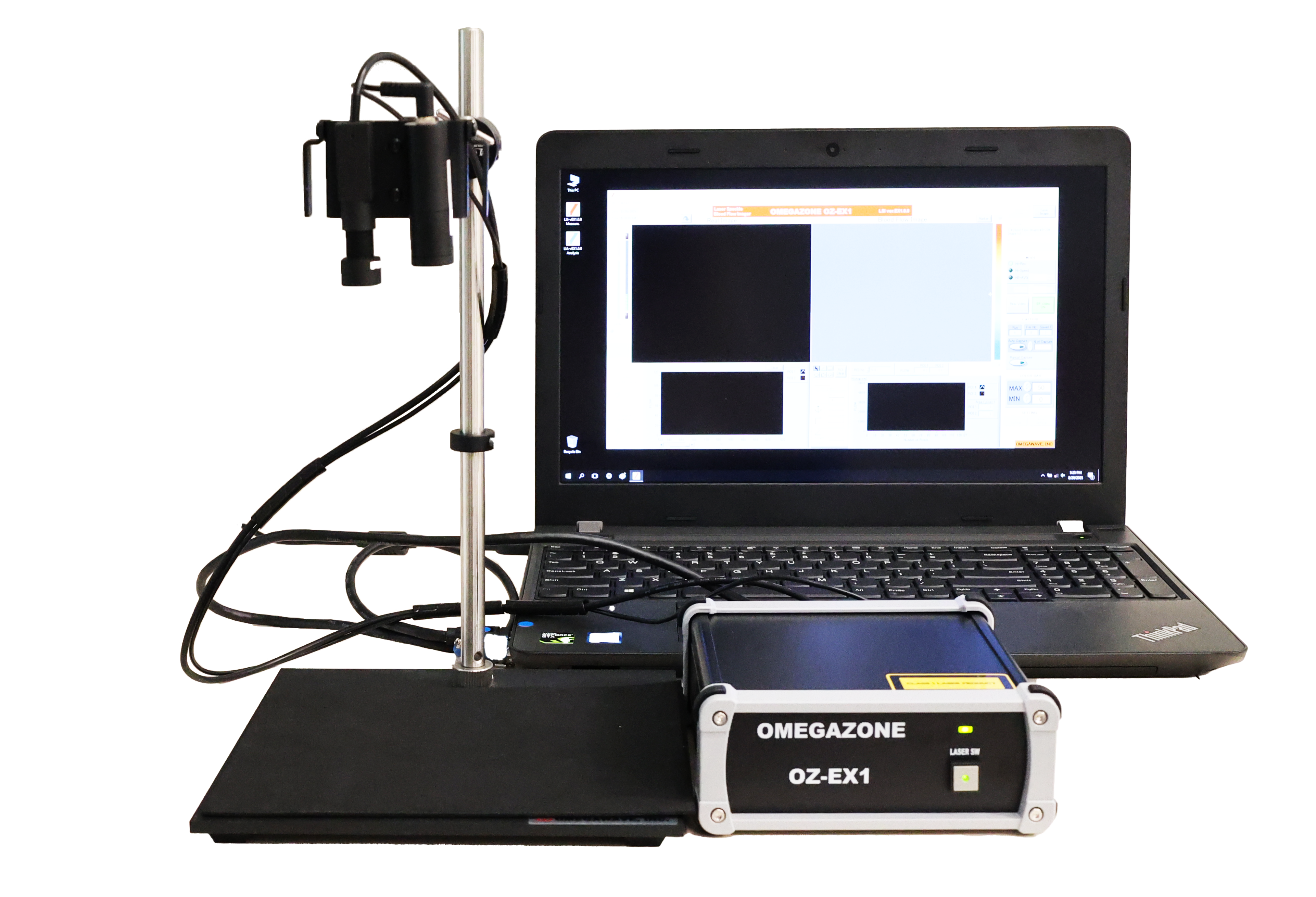
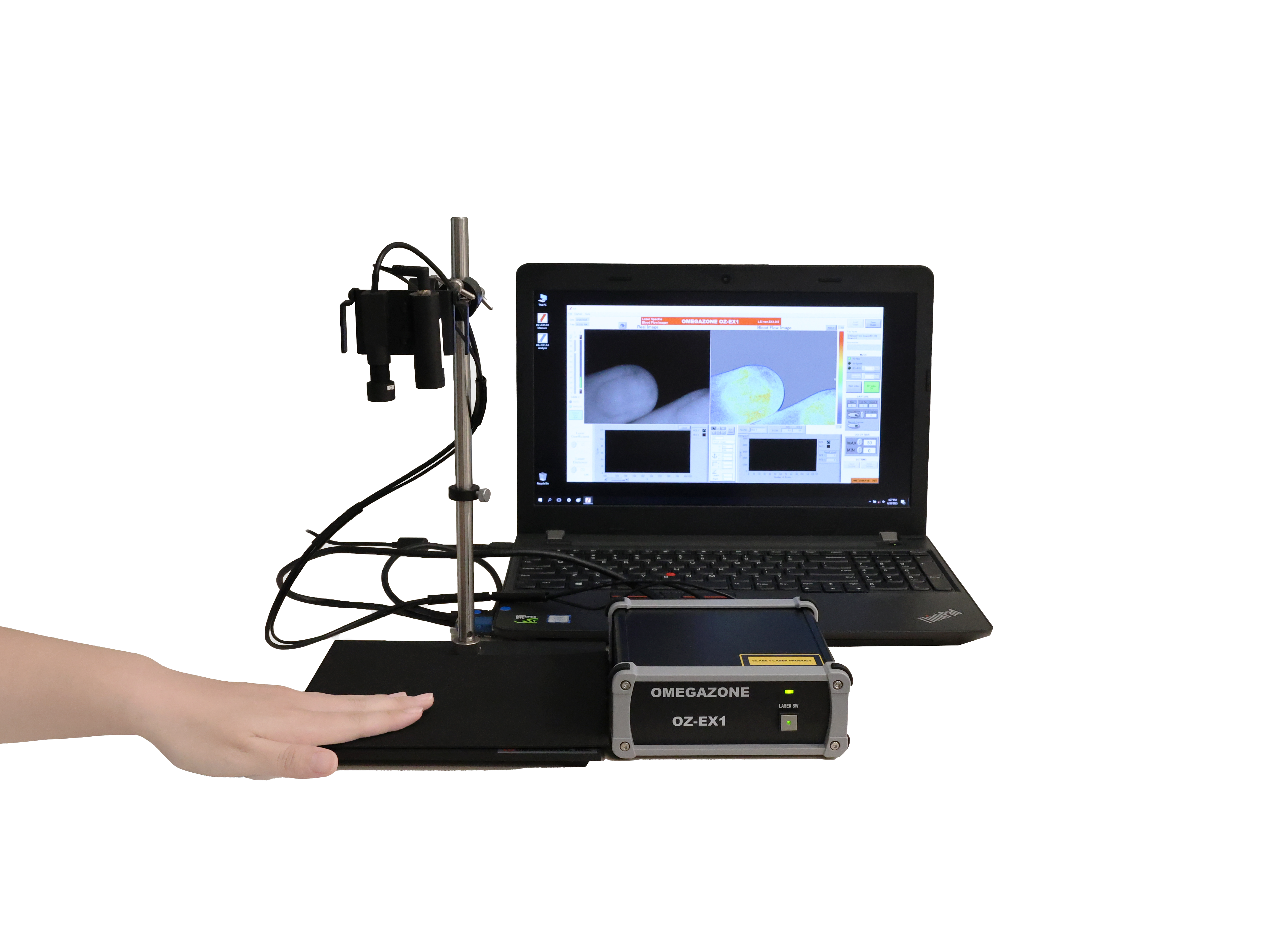
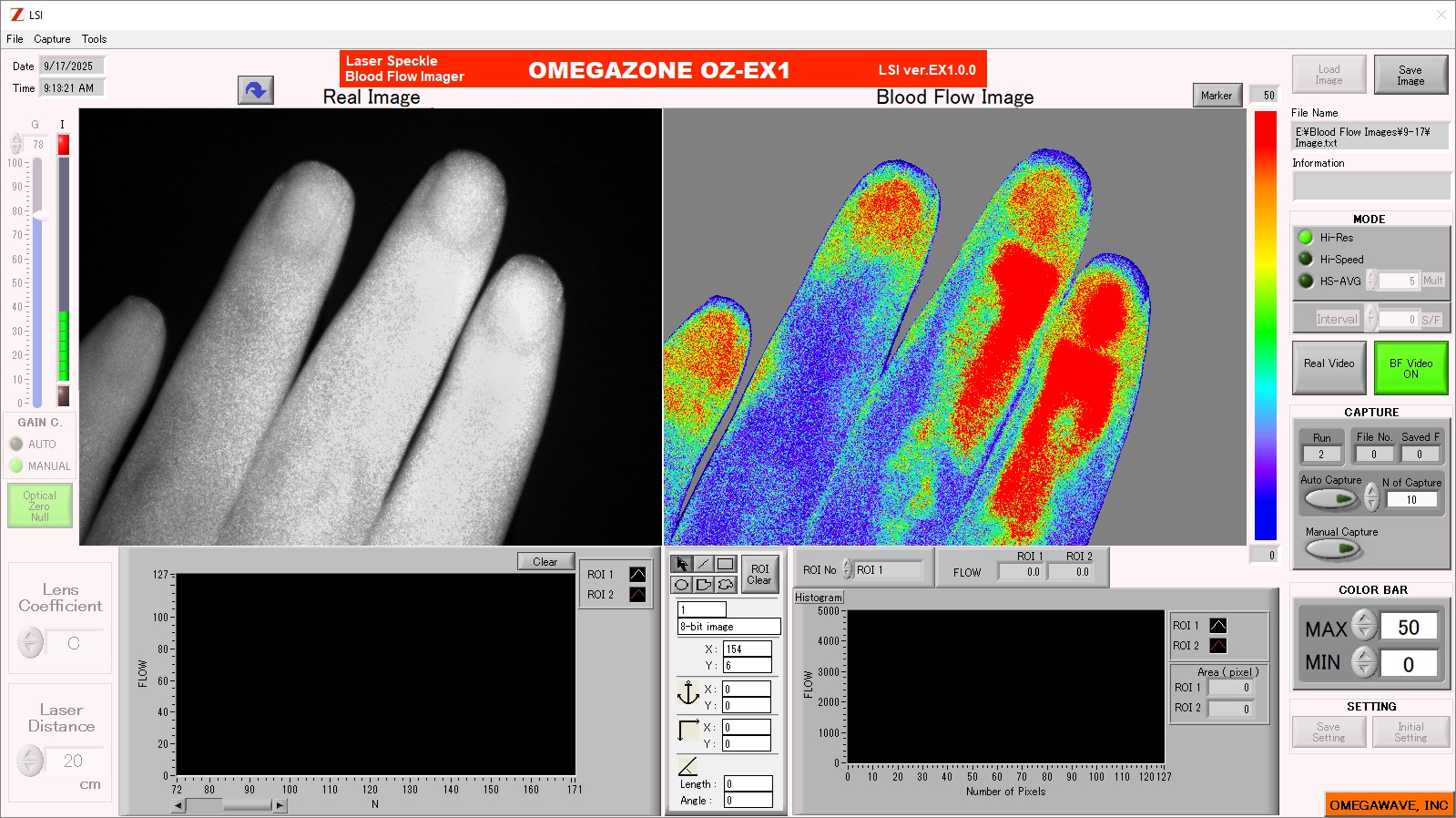
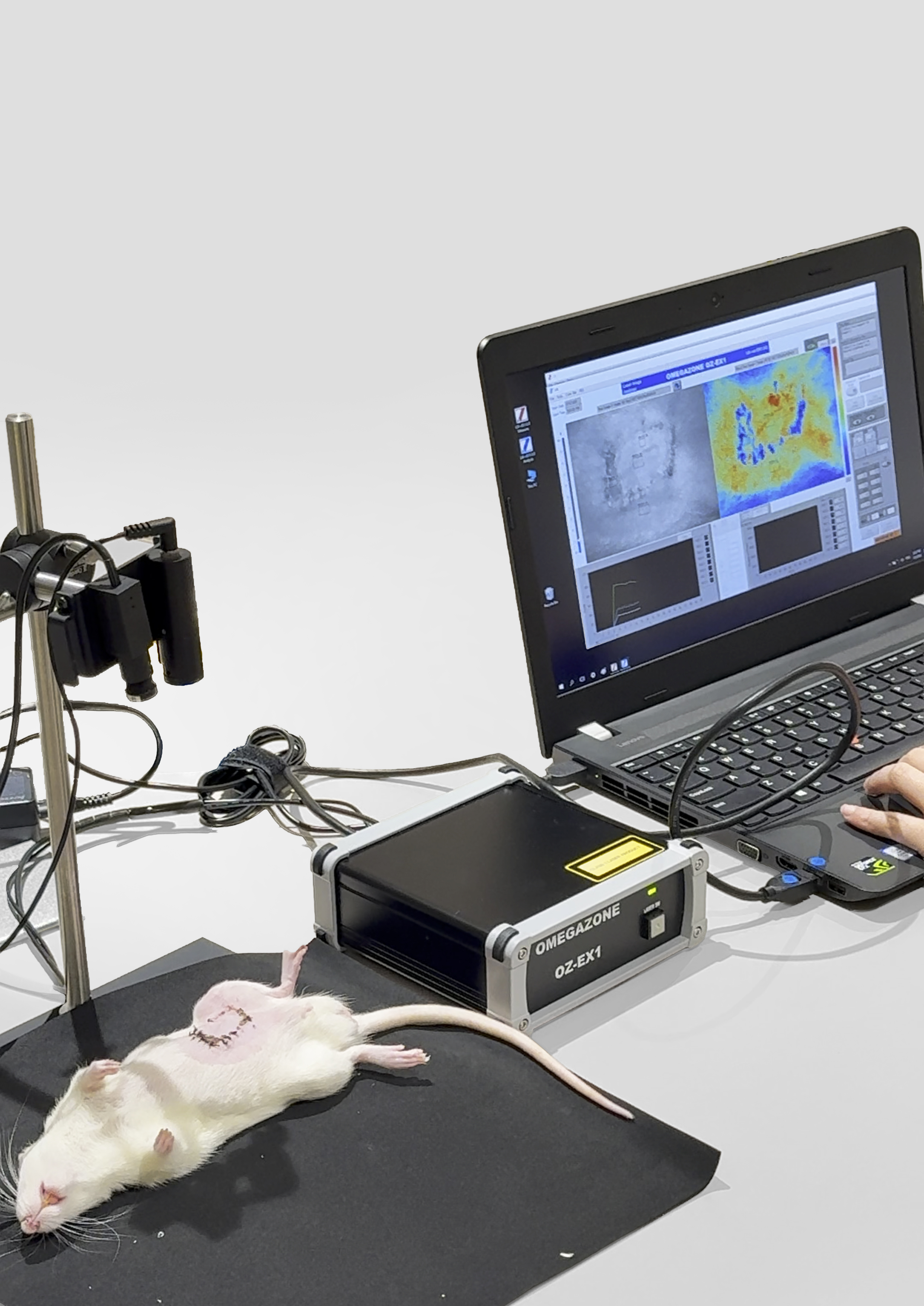
Labodorf OZ-EX1 Laser Speckle Blood Flow Imager is a 2D laser blood flow imaging device designed for measuring tissue blood flow in small animals such as rats and mice. It can measure blood flow distribution in tissues including the brain and lower limbs with nearly continuous, high-speed, high-resolution performance, and displays blood flow levels using color mapping.
The measurement software provides three operating modes:
- Hi-Res Mode: Approx. 1 frame/sec, image resolution 639 × 480
- Hi-Speed Mode: Approx. 15 frames/sec, image resolution 213 × 160
- HS-AVG Mode (High-Speed Average): Image resolution 213 × 160
Since blood flow at each point is measured simultaneously, the device can capture blood flow correlation and dynamic changes at each location. The measuring field of view can be widely adjusted by changing lenses, ranging approximately from 8mm × 6mm to 108mm × 80mm.
Features
- The laser unit, camera and lens are compact, enabling measurements in small spaces.
- The laser unit and camera are powered via computer USB, so only the computer requires external power.
- The software consists of two parts: LSI for measurement and LIA for analysis.
Working Principle
When biological tissue is irradiated with laser light, and a photodetector receives scattered light from stationary tissue and moving red blood cells, the light intensity fluctuates due to interference. This 2D interference pattern is called a speckle, and its intensity changes over time depending on the number and flow velocity of red blood cells.As flow velocity increases, the light intensity fluctuation accelerates; as cell count increases, intensity fluctuation also accelerates.
Each pixel of the CMOS camera captures these intensity changes, which are calculated to display tissue blood flow as a 2D color image.The laser light received by the photodetector is a combination of surface-reflected light from the tissue surface and scattered light containing blood flow signals from inside the tissue. Surface-reflected light contains no signal and causes large fluctuations in received light intensity, leading to artifacts.
Since the polarization direction of surface-reflected light matches that of the laser beam, stable blood flow measurement is achieved by receiving only light with polarization perpendicular to the laser beam.The OZ-EX1 camera is equipped with a polarizing filter for perpendicular light reception and a bandpass filter for the laser wavelength.
Applications
- Cerebral cortex blood flow measurement
- Spinal cord and nerve blood flow measurement
- MCAO model studies
- General tissue blood flow measurement
- Gingival blood flow measurement
- Blood flow measurement during vasodilation, vasoconstriction and ischemia
- Skin blood flow measurement
- Mucosal blood flow measurement
- Allergy research
- Environmental physiology research


