



1. Introduction
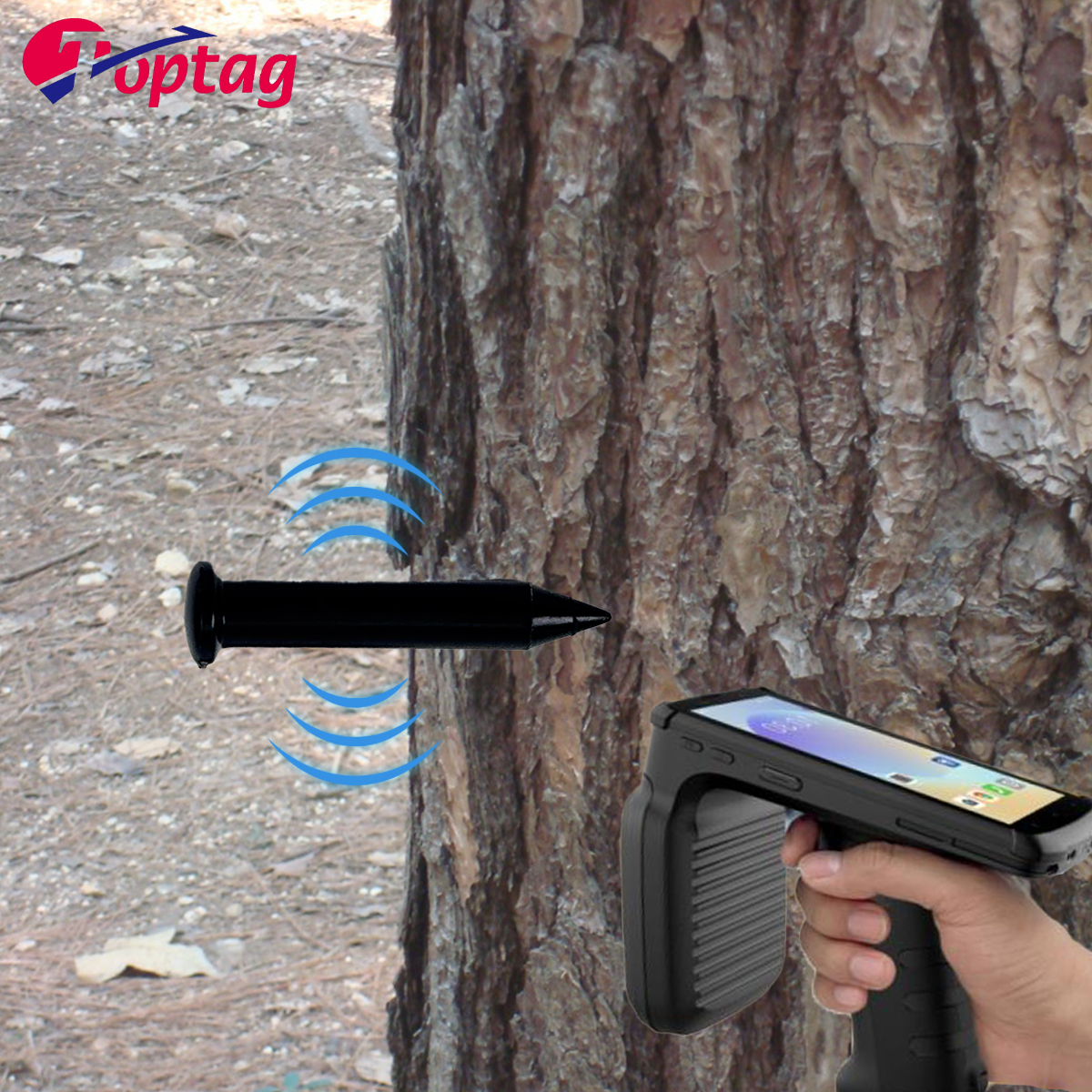
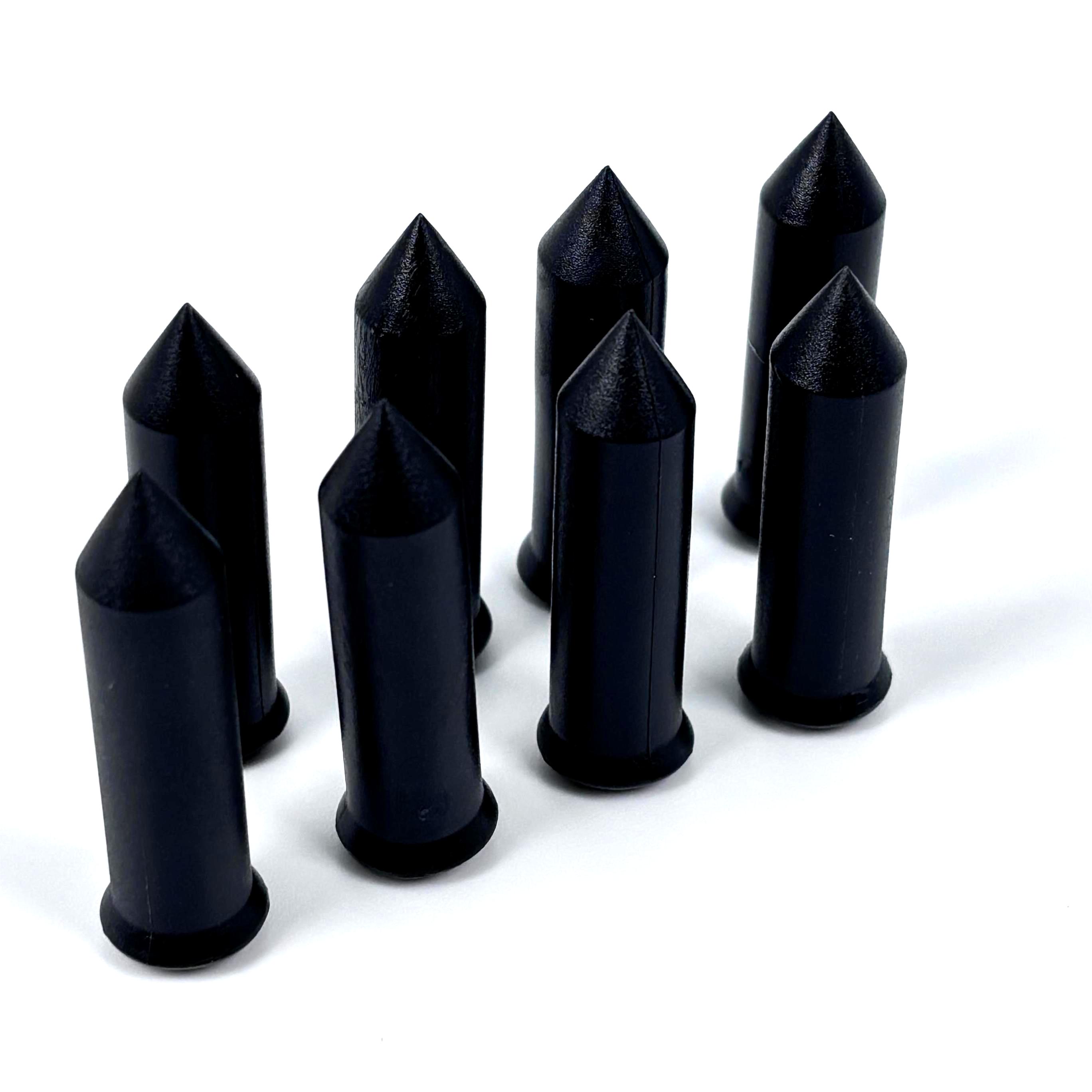
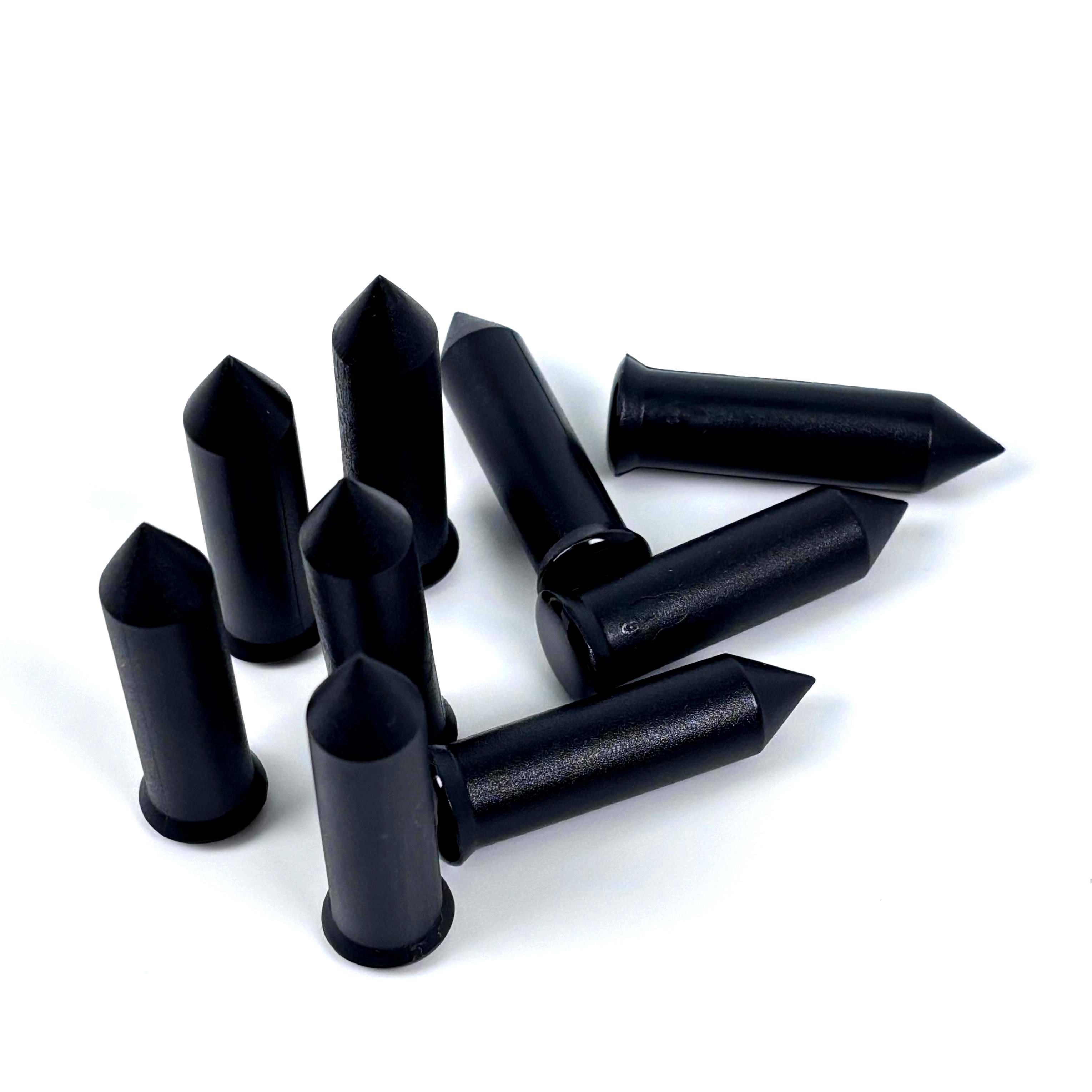
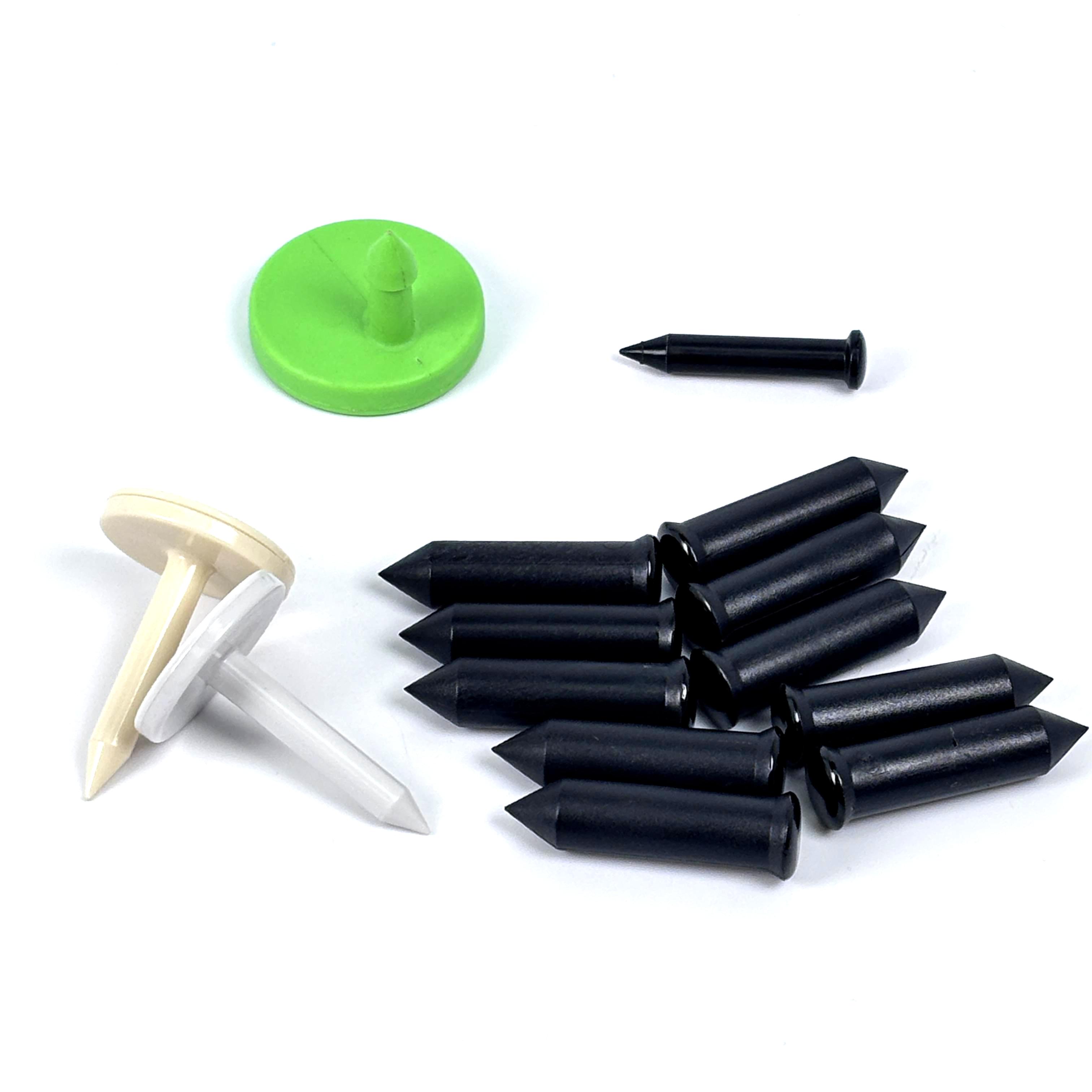
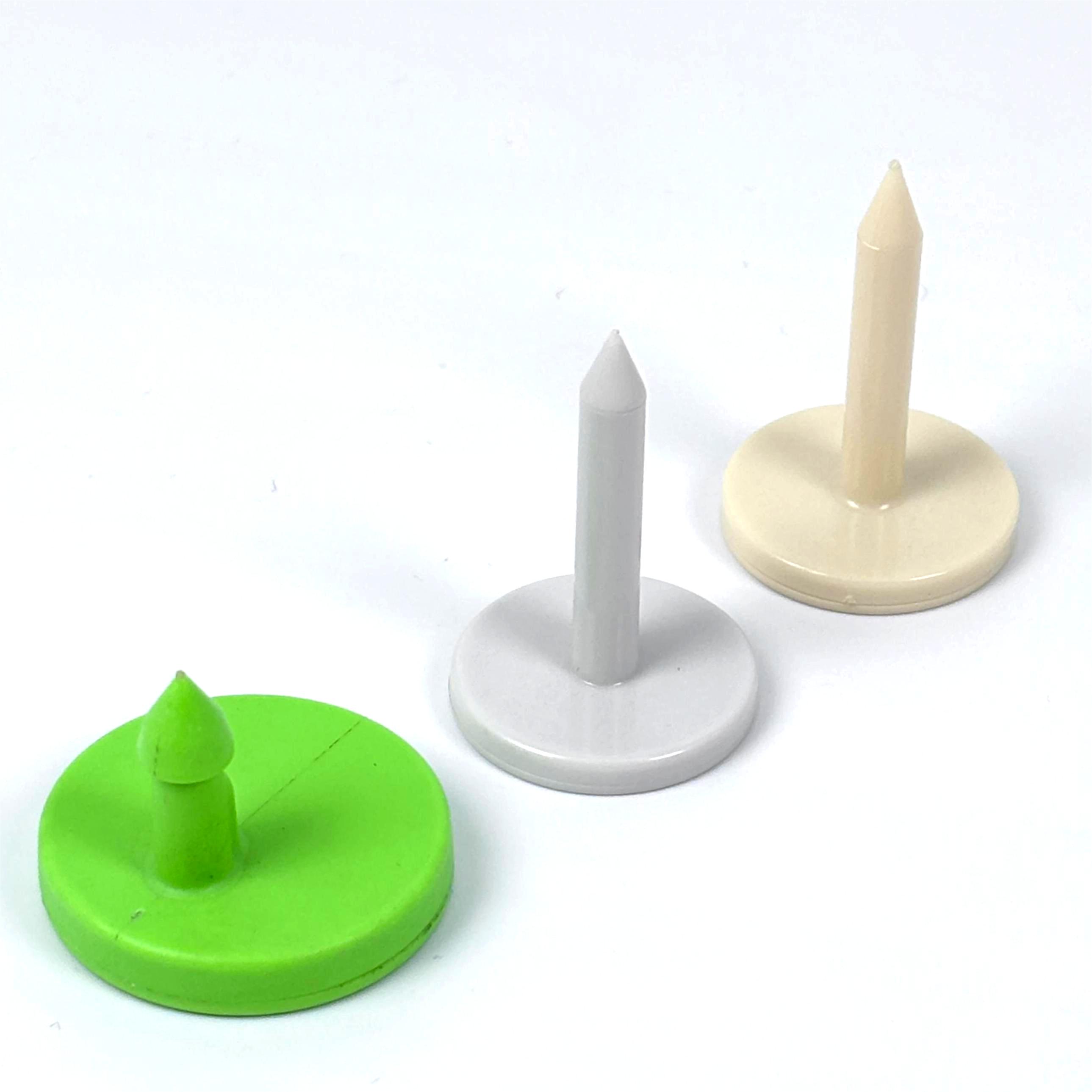
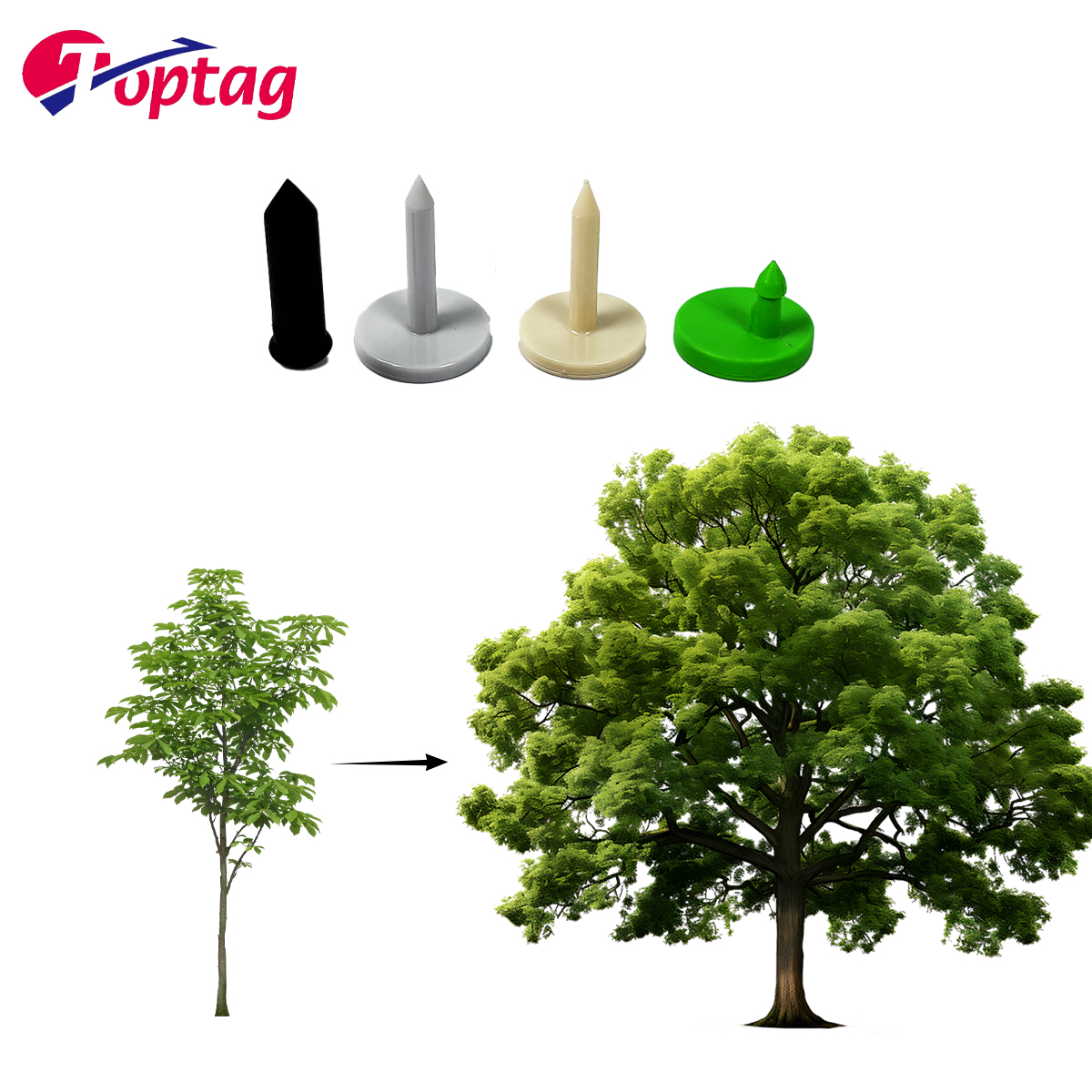
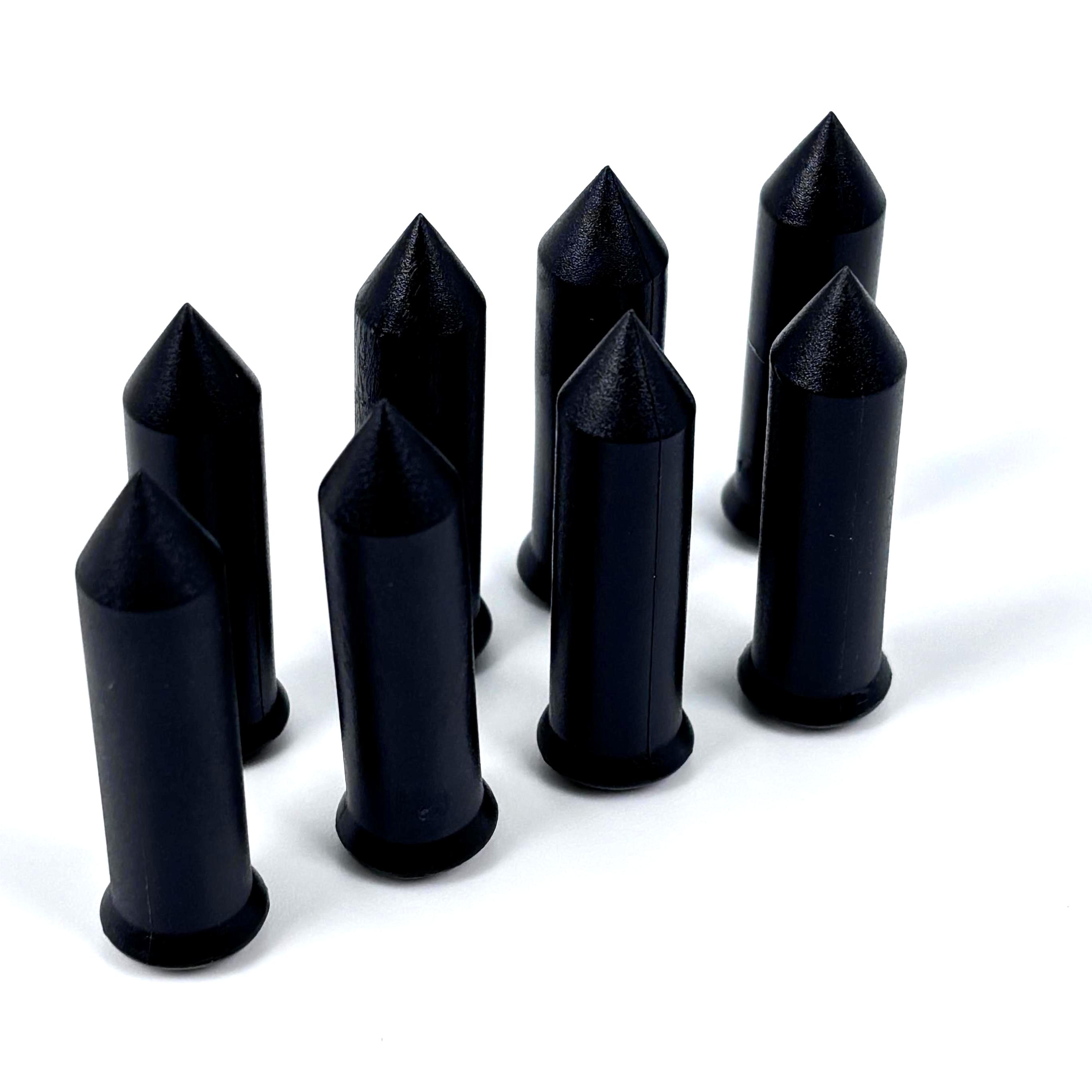
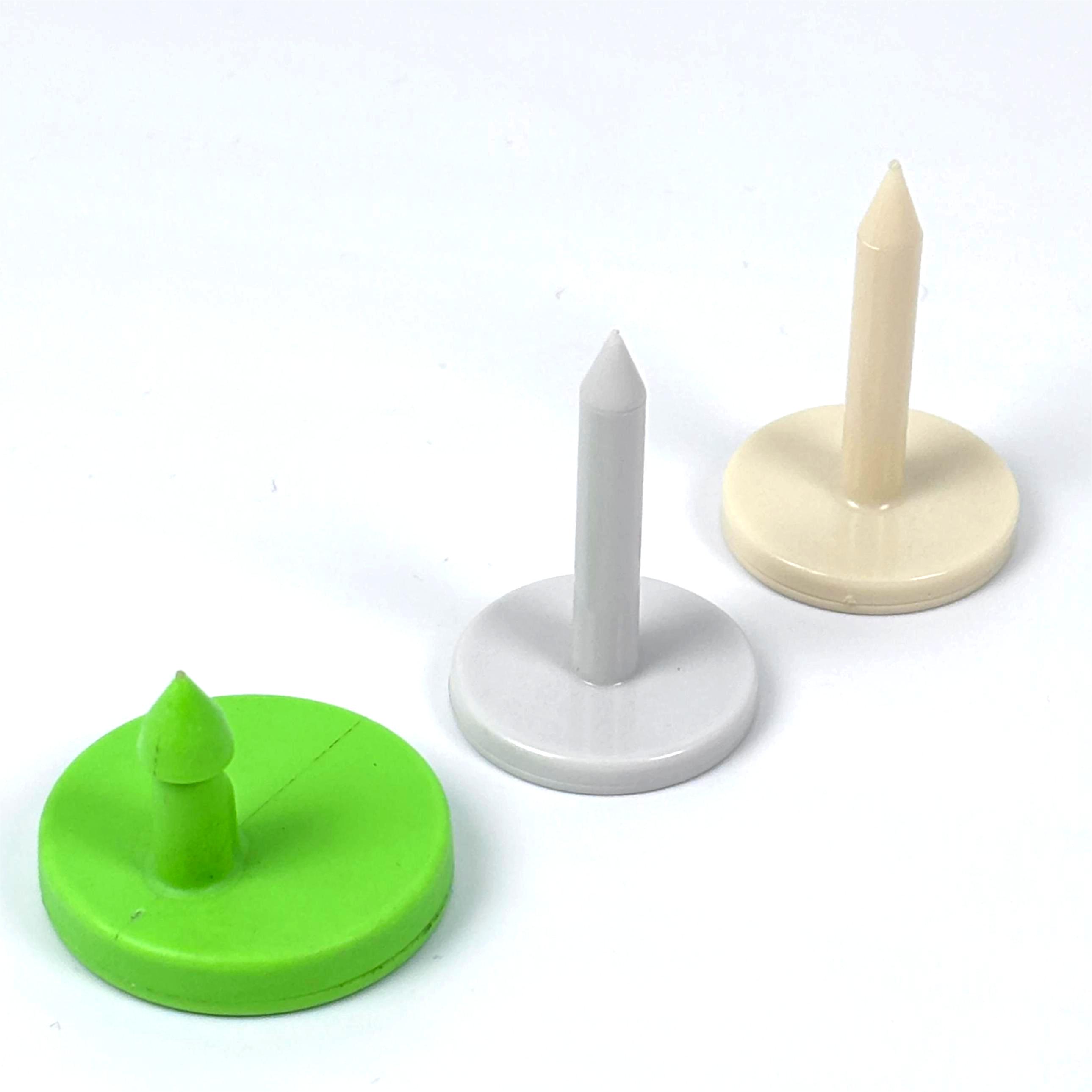
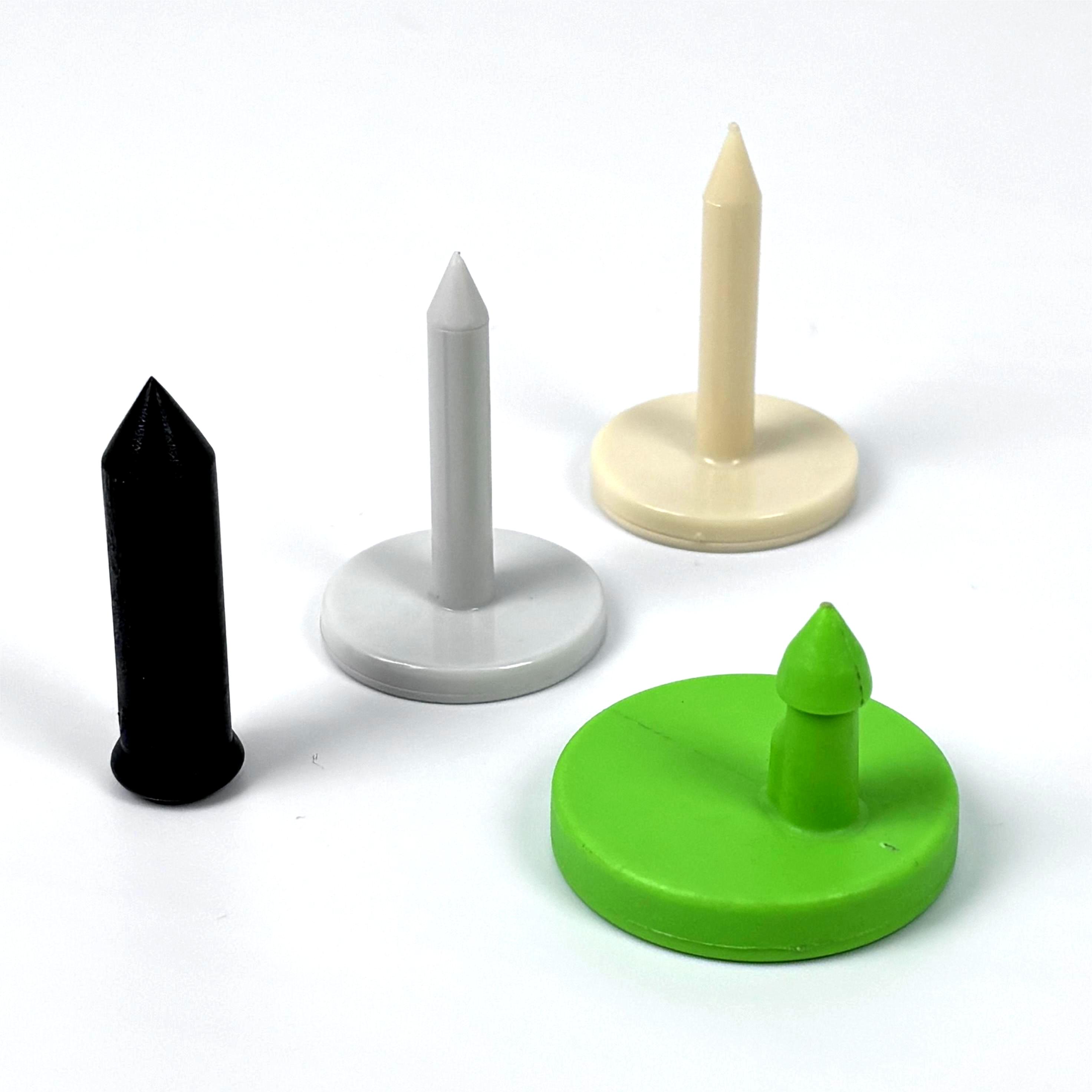
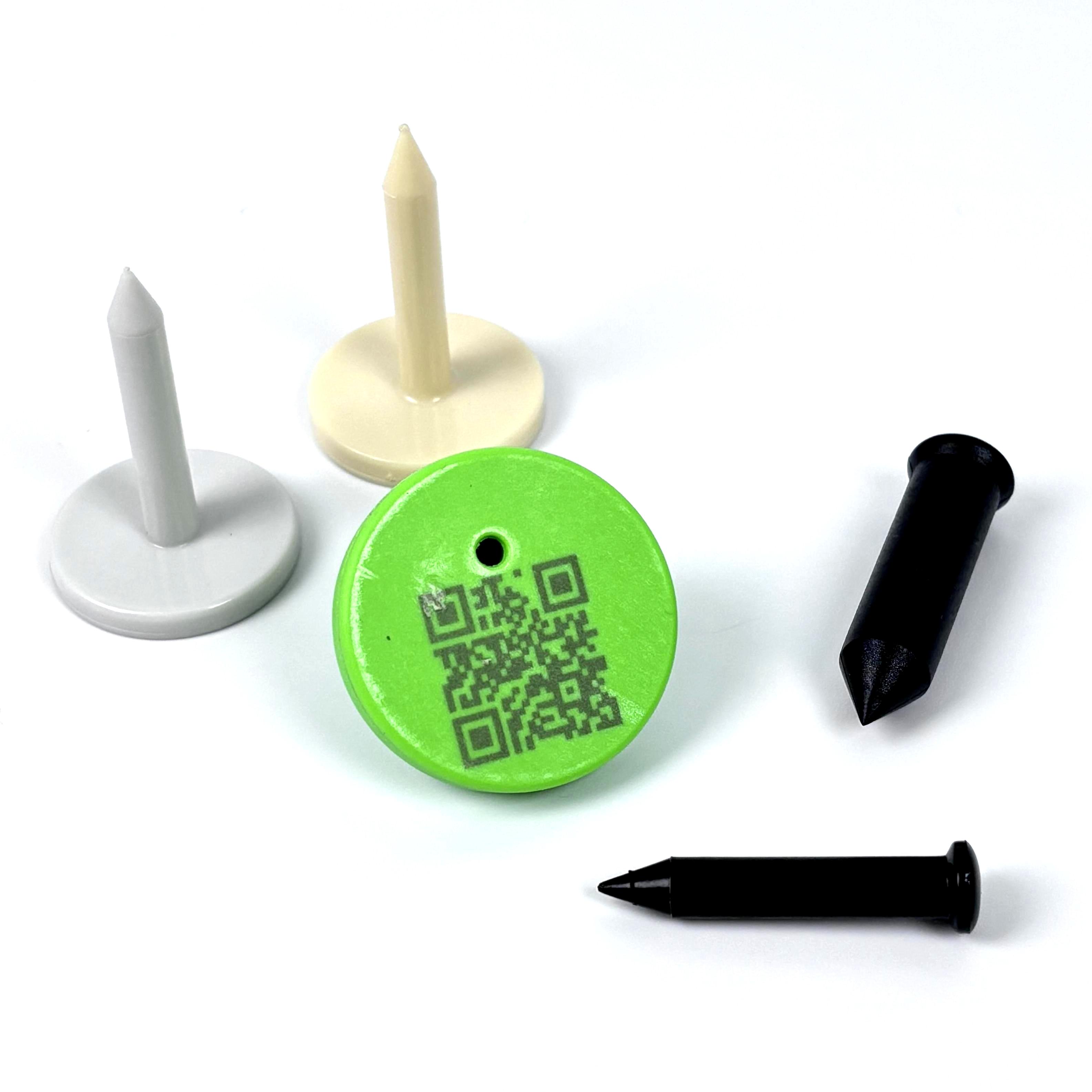
The RFID tree nail tag is an intelligent label specifically designed for tree management and protection.This type of label is usually made of durable materials that can withstand harsh outdoor environments, ensuring long-term stable operation. Each RFID tree nail tag has a unique identification code that can store detailed information such as the species and growth status of the tree. Using RFID tree nail tags enables management of trees, improving the protection and utilization efficiency of forestry resources.
2. Characteristic

3. Feature
Durability: Made of ABS materials, it is waterproof, moisture-proof, UV-resistant, and capable of withstanding extreme temperatures (-40°C to 85°C) as well as chemical corrosion, making it suitable for harsh outdoor environments.
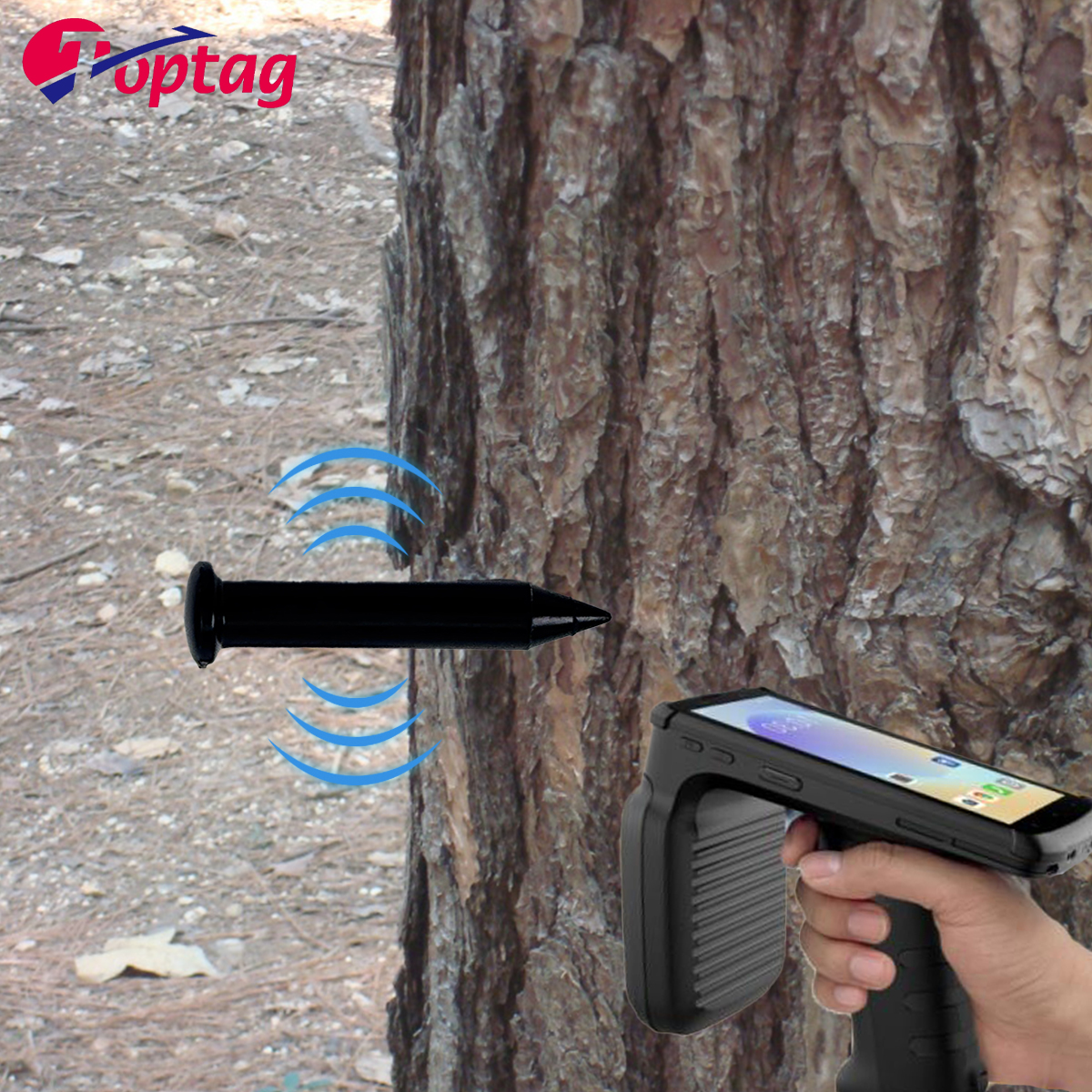
Efficient Identification: Supports long-range rapid reading, penetrates non-metallic materials, requires no line-of-sight, and can simultaneously identify multiple tags.
Reliable Data: Each tag has a globally unique ID with large storage capacity, capable of recording detailed tree information such as species and location. Data encryption ensures protection against tampering.
Long Lifespan: With up to 100,000 write cycles and extended data retention capabilities.
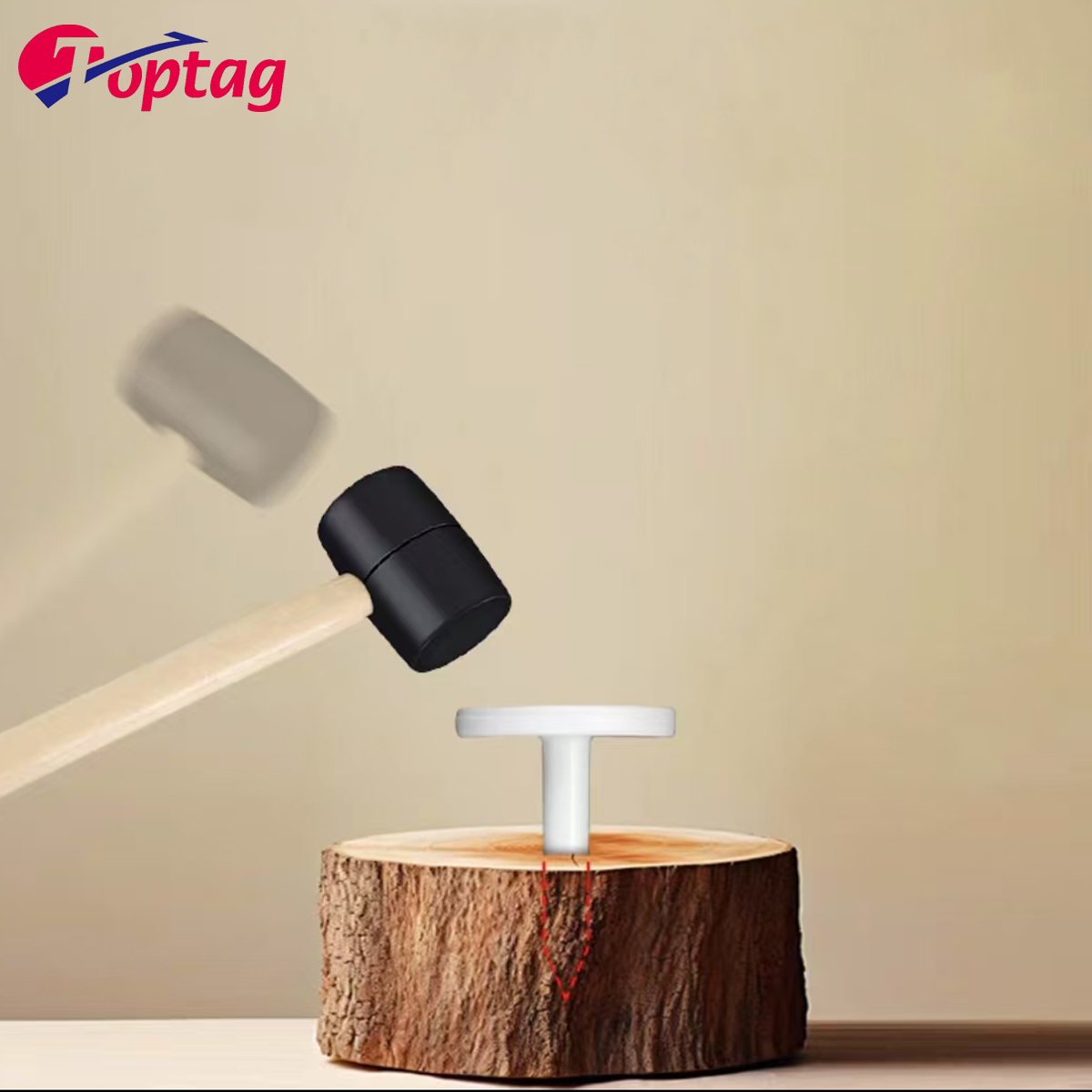
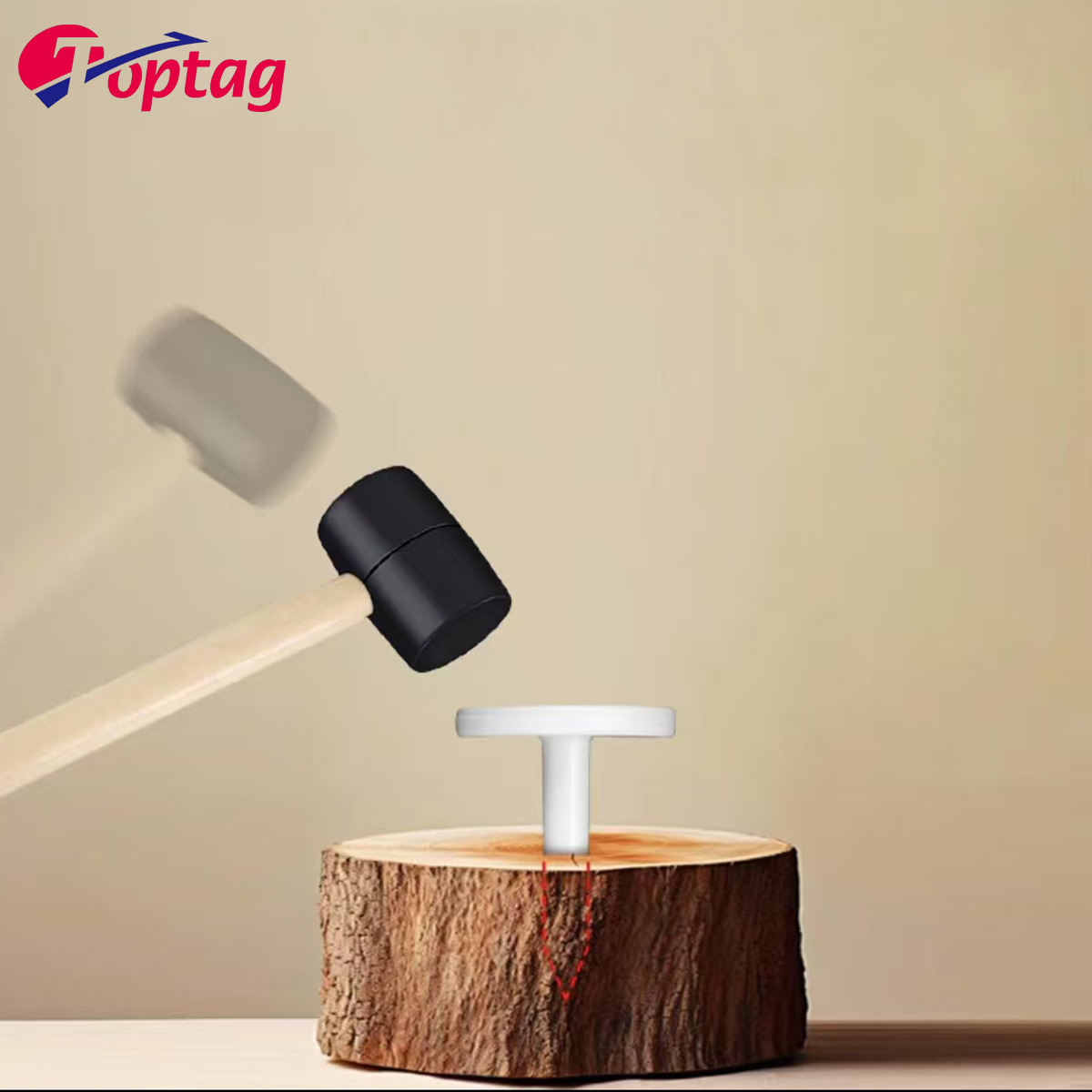
Easy Installation: Designed for nail-in application, securely fixed into tree trunks or wood without easy removal.
4. Application
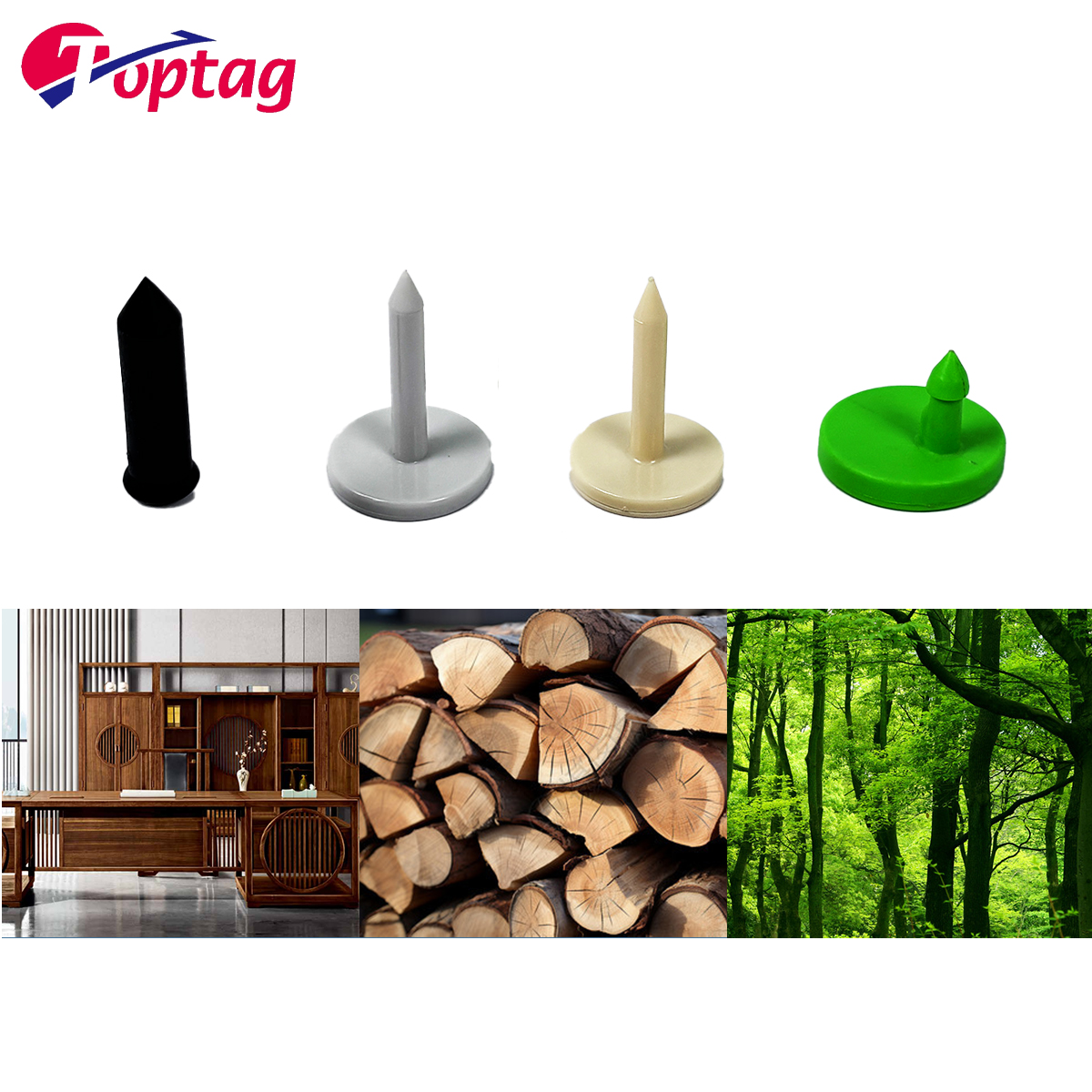
Forestry & Urban Greening Management: Manage trees throughout their lifecycle, records maintenance histories, assists in pest control and carbon sequestration assessment, and improves management efficiency.
Asset Management: Tags park facilities, wooden furniture, and other assets for quick inventory checks and ownership traceability via back-end systems.
Scientific Research & Ecological Protection: Collects growth data of ancient trees, supports forest ecological research, and provides accurate data for biodiversity conservation.
RFID Tree Nail Tags – they are durable, provide rapid long-range identification, and enable precise management of trees throughout their entire lifecycle.