






1. Introduction
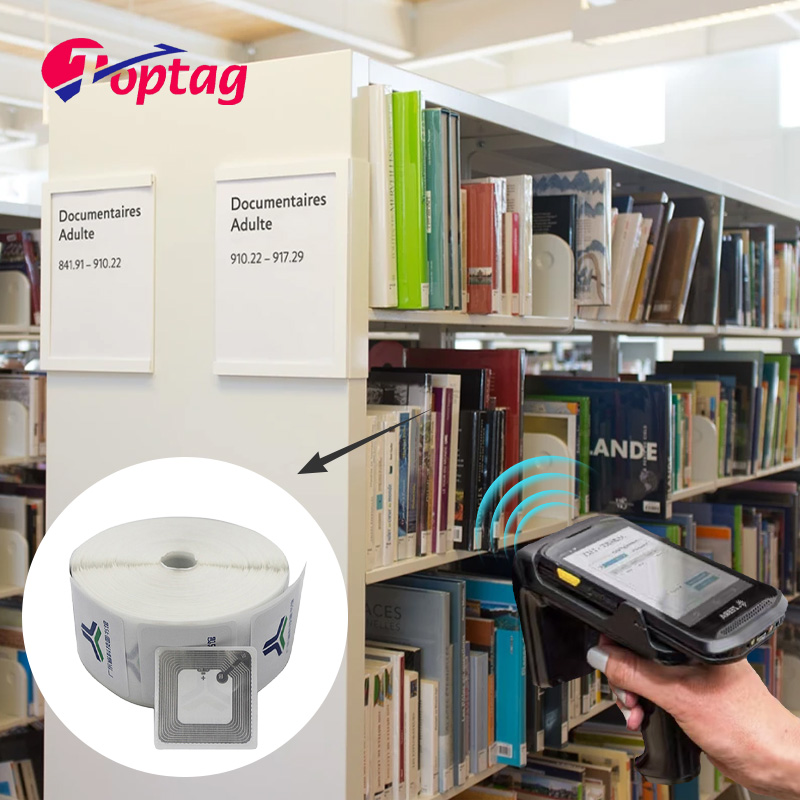
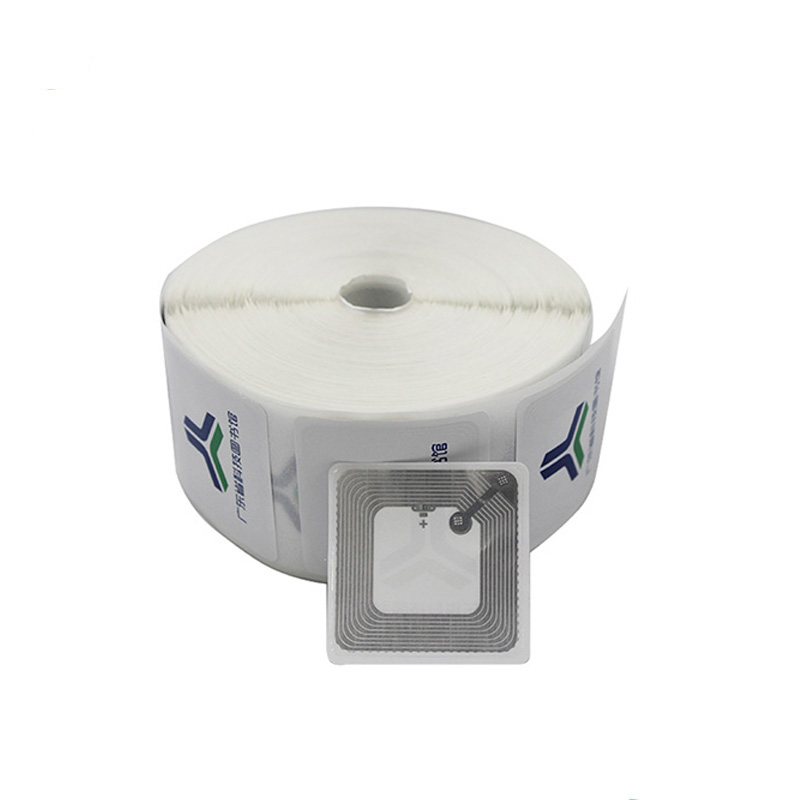
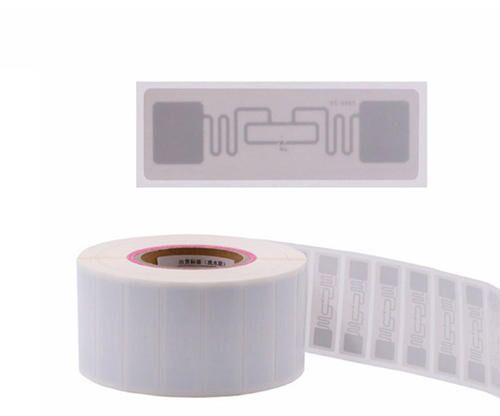
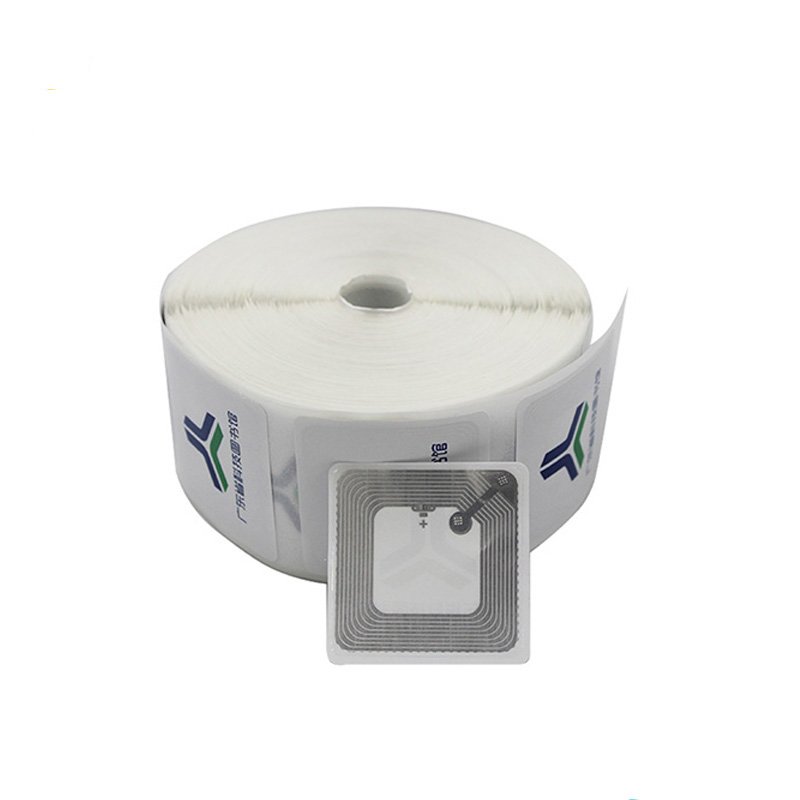
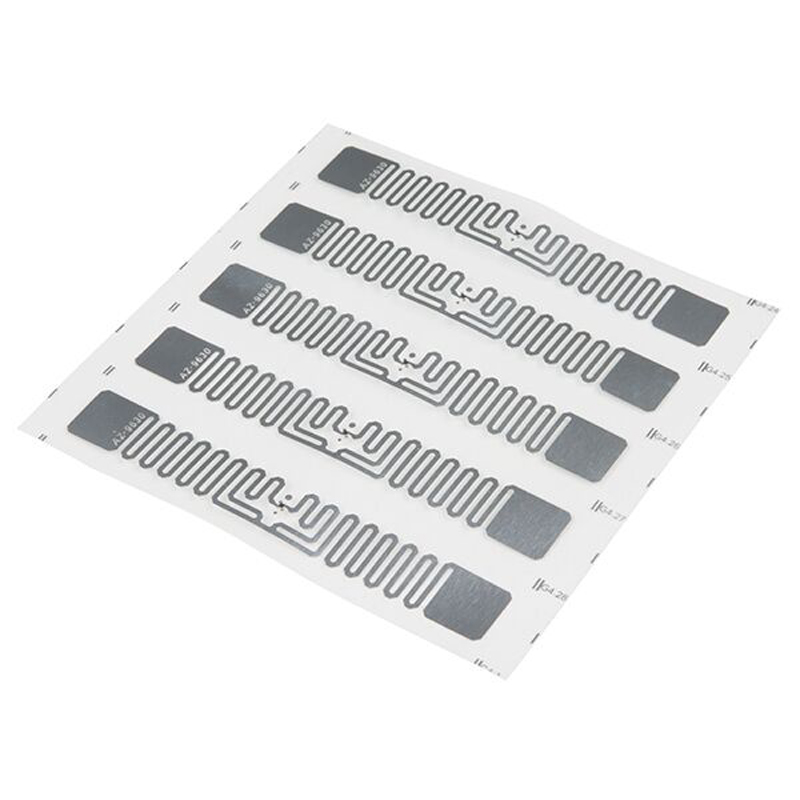
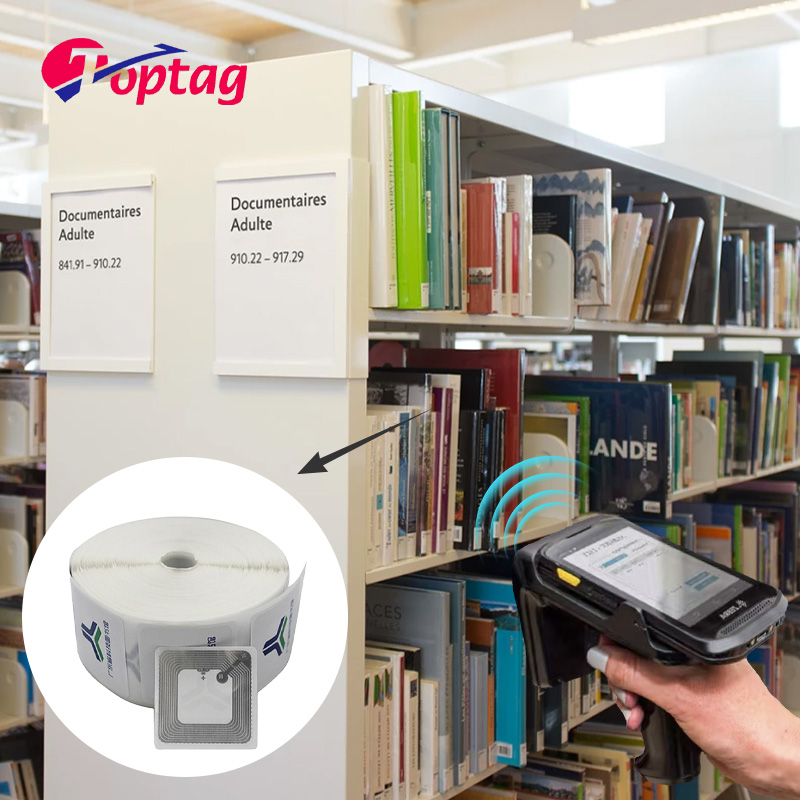
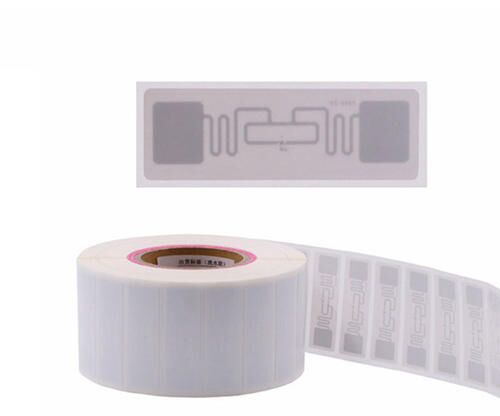
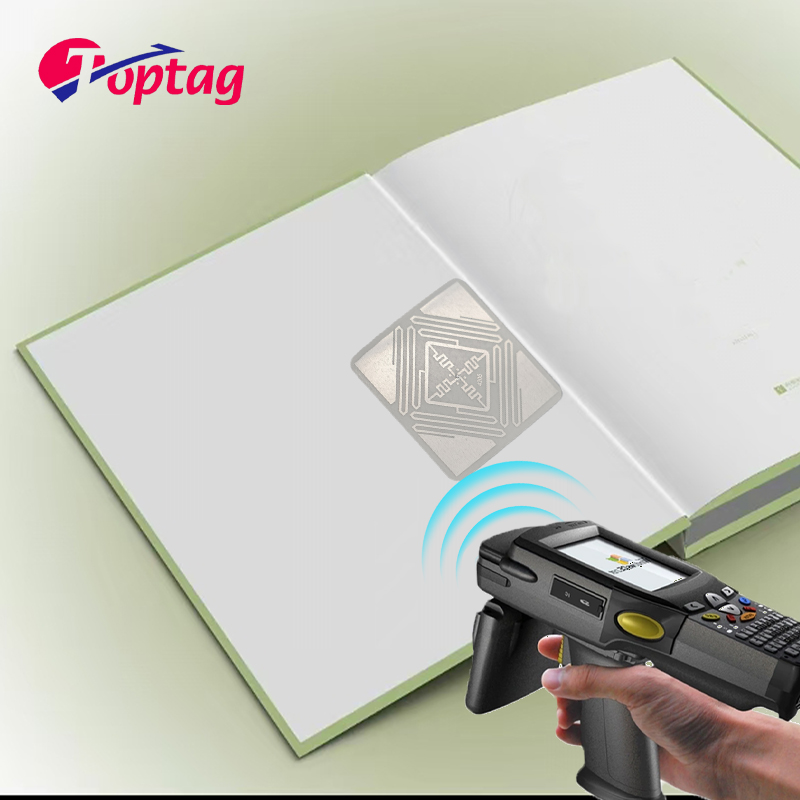
The RFID library tag is an intelligent label widely adopted in modern library management systems. This tag contains a miniature chip and antenna, capable of storing detailed information about the book, such as title, author, publication details, and a unique identification code. Compared to traditional barcodes, RFID tags offer features like contactless reading, rapid scanning, and long-distance recognition, significantly enhancing the efficiency of book borrowing and returning processes. Additionally, the RFID system enables self-service borrowing and returning, automated inventory management, and anti-theft monitoring, providing readers with a more convenient service experience while helping libraries reduce operational costs and improve management efficiency. With continuous technological advancements, RFID library tags are gradually becoming an essential component of smart library construction.
2. Characteristic

3. Feature
Contactless Recognition: No need for direct alignment information is read via radio waves quickly.
High Data Storage Capacity: The chip stores richer details (e.g., title, author, location, borrowing history).
Efficient Bulk Reading: Supports scanning multiple books simultaneously, improving inventory efficiency.
Strong Anti-Interference: Durable in complex environments (dust, humidity) with minimal damage risk.
Long-Distance Detection: Read/write range extends several meters, reducing manual labor.
Rewritable Functionality: Tag data can be updated to reflect book status changes.
Enhanced Security: Encrypted data prevents tampering or unauthorized duplication.
Lightweight Design: Compact and lightweight tags ensure no impact on book aesthetics or usability.
4. Application
l Self-service Borrowing and Returning: Readers can quickly complete the borrowing and returning of books through self-service machines without queuing for staff assistance.
l Efficient Inventory Management: Librarians can use RFID readers to inventory books, improving the efficiency of inventory management.
l Anti-theft Monitoring: RFID detection gates installed at library exits trigger alarms when unborrowed books are taken out, effectively preventing book loss.
l Smart Navigation: By integrating with the library layout, the RFID system helps readers quickly find the location of desired books, enhancing search efficiency.
l Data Analysis: Analyzing data collected by RFID allows libraries to understand book circulation trends and reader preferences, informing purchasing decisions.
l Personalized Services: Based on a reader's borrowing history, libraries can offer tailored book recommendations or customized services, enriching user experience.
To improve library management efficiency and the borrowing experience for readers, consider using RFID library tags. This will make intelligent and efficient book management a reality, bringing unprecedented convenience and transformation to your library!