


1. Introduction
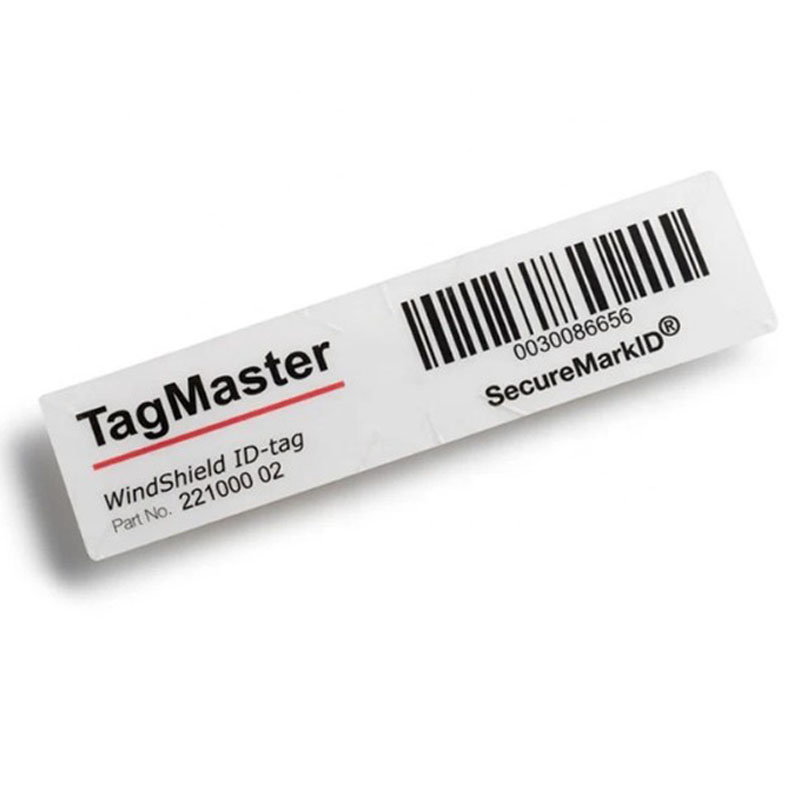
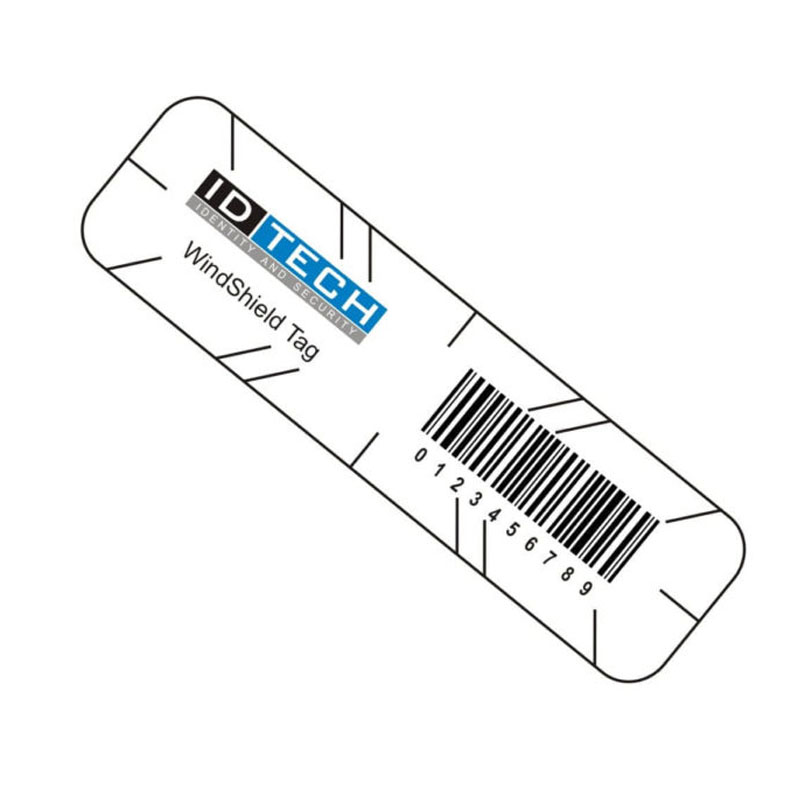
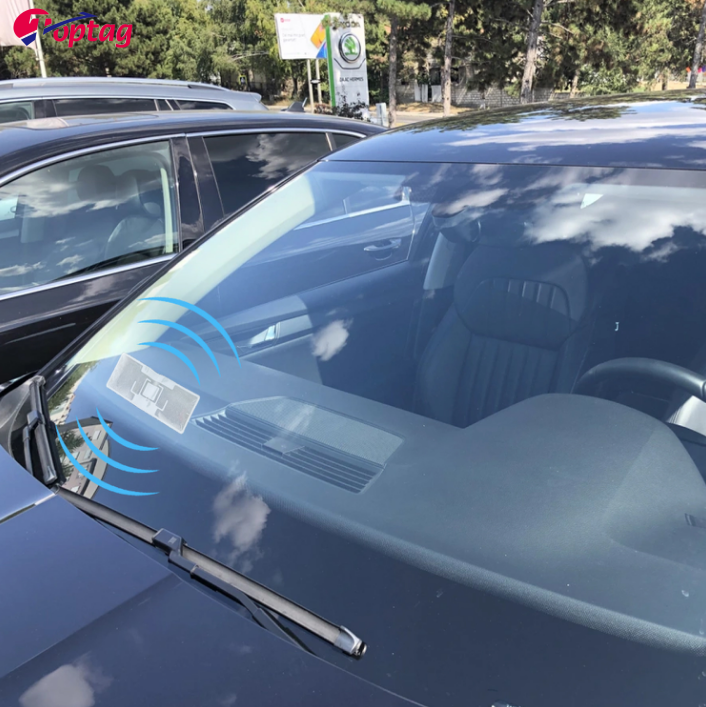
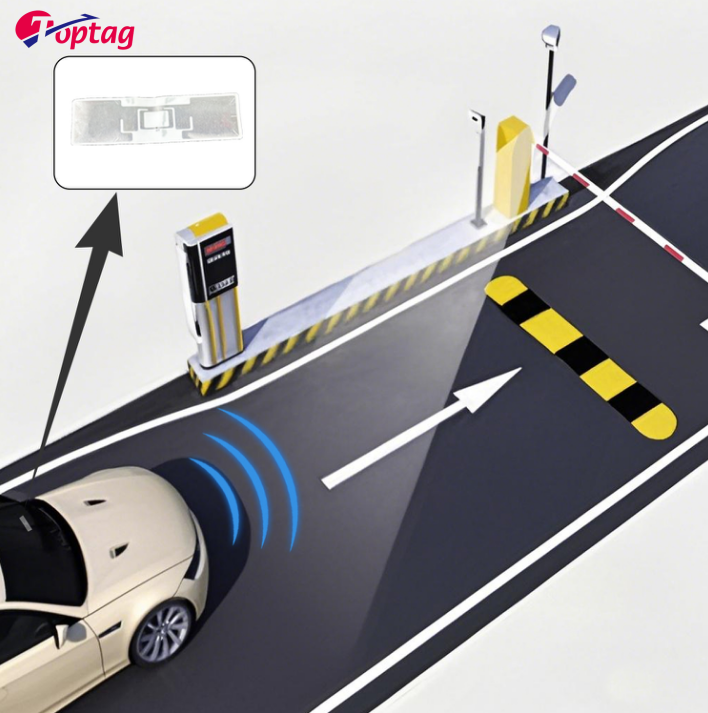
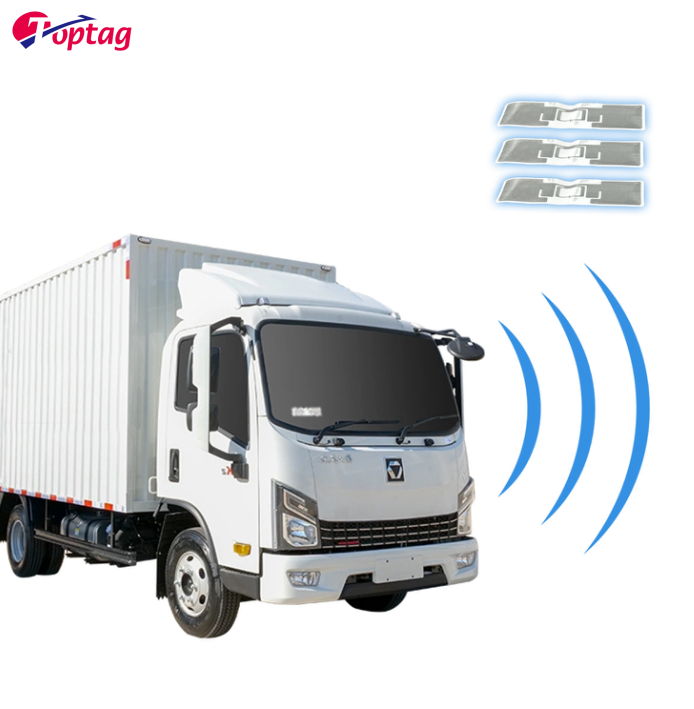
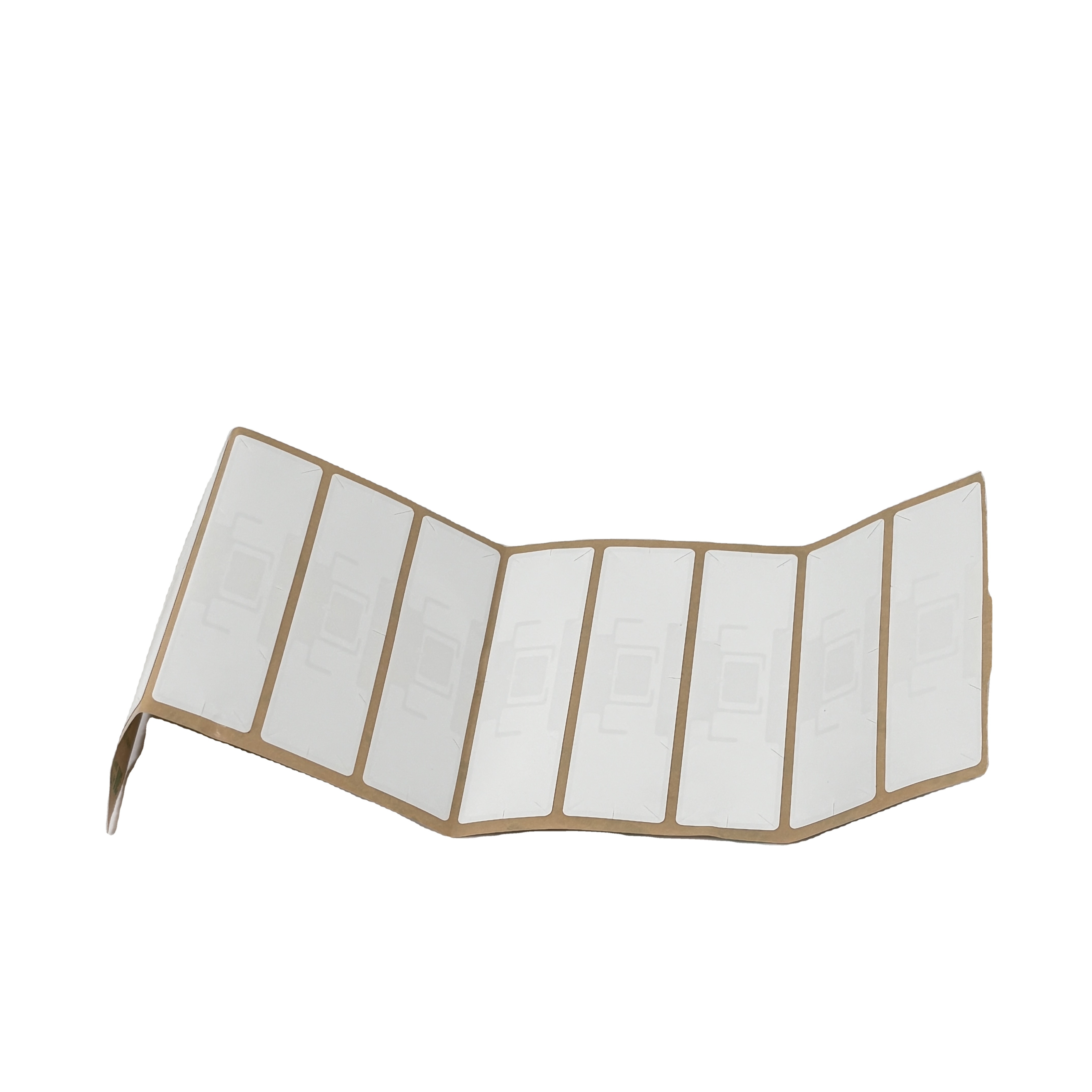
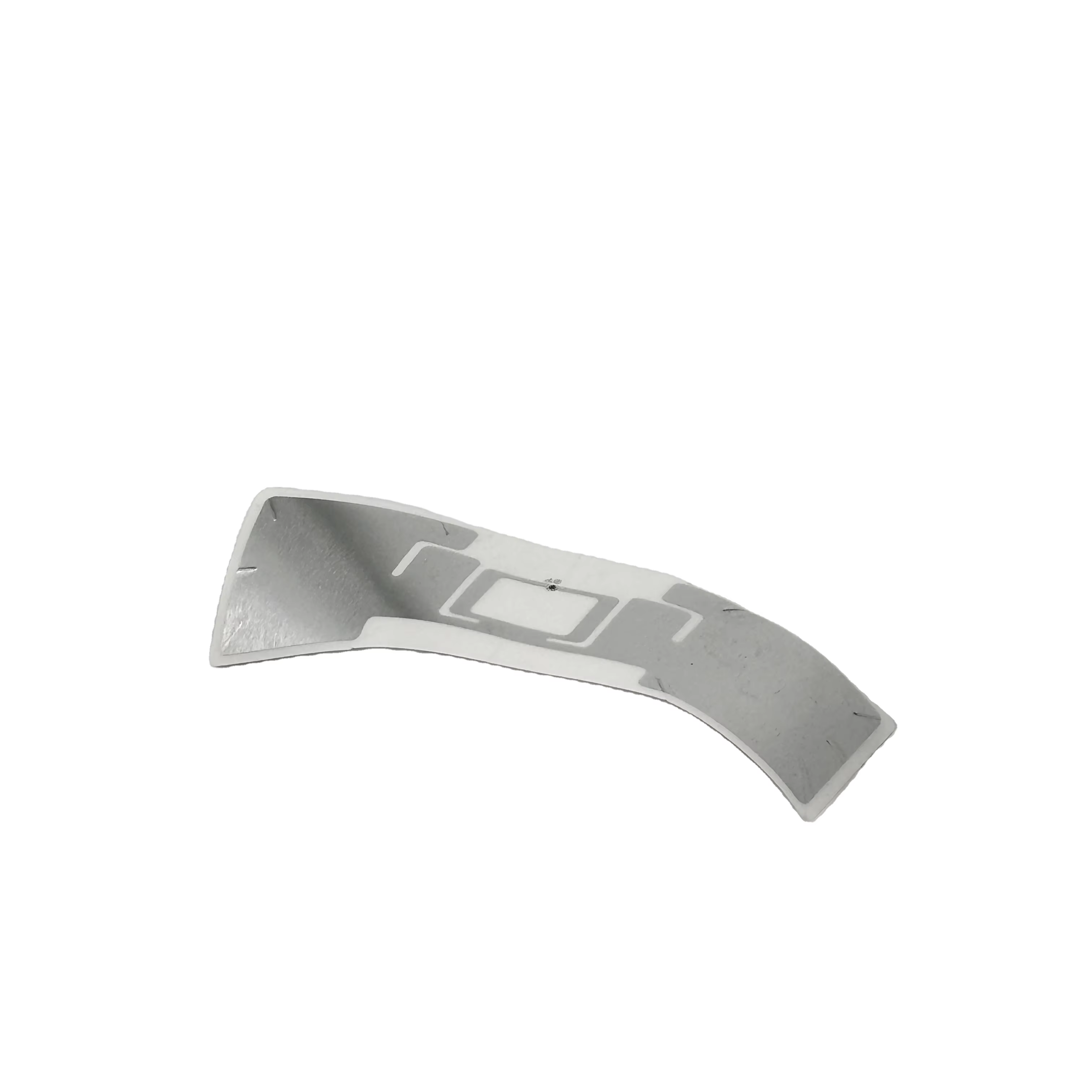
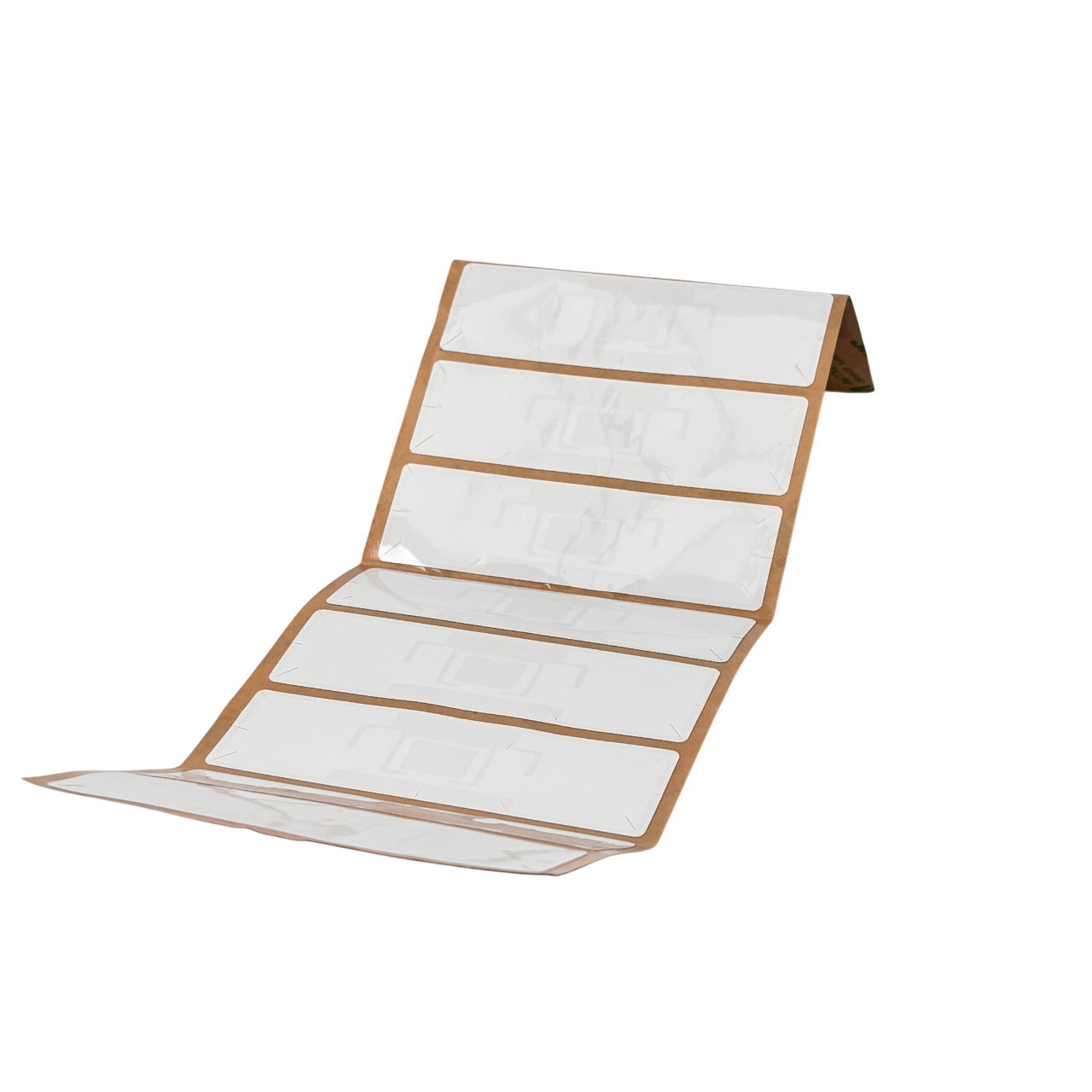
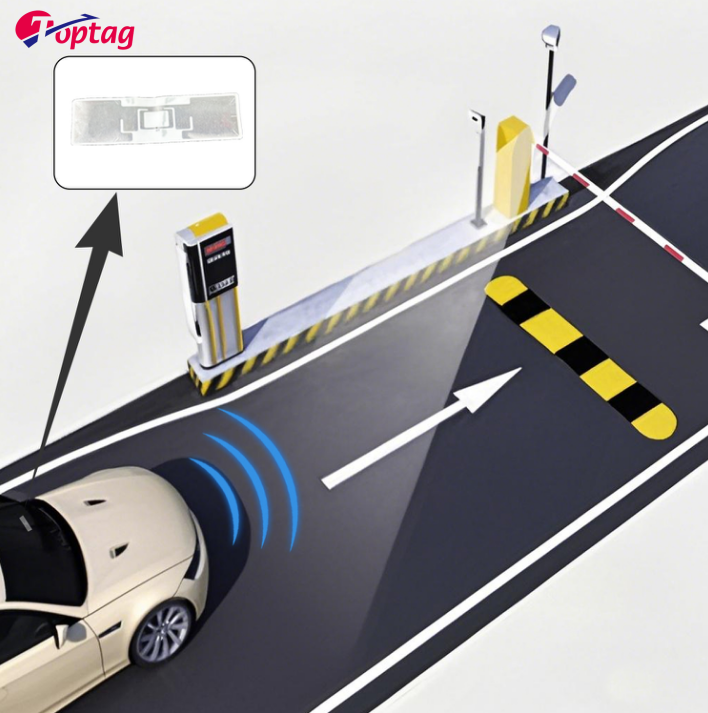
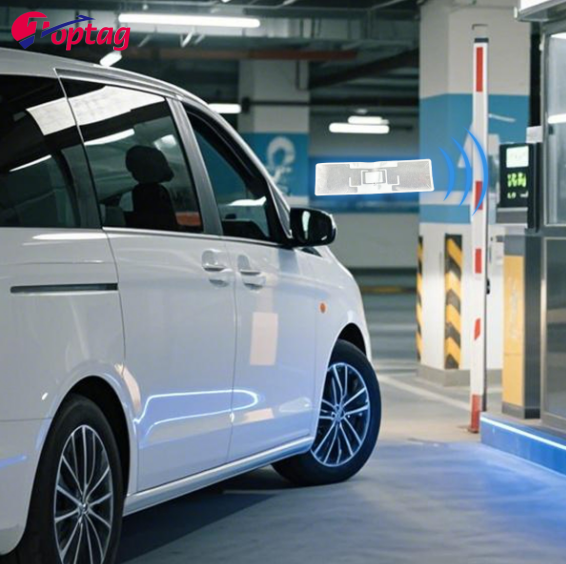
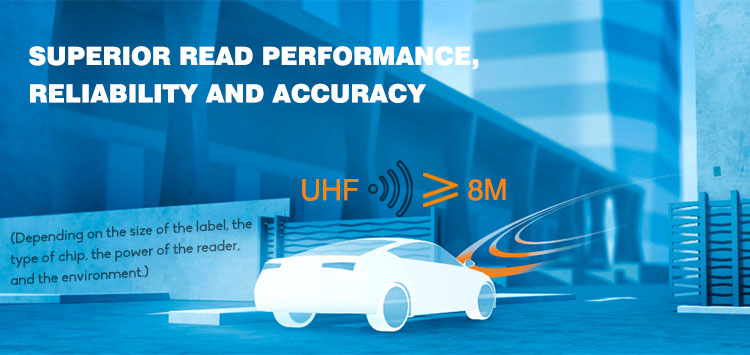
The RFID windshield tag is an advanced electronic label based on Radio Frequency Identification (RFID) technology, specifically designed for vehicle management. It is affixed to a car's windshield, providing each vehicle with a unique digital identity that enables efficient and automated recognition. Key functions include vehicle entry/exit times and locations, checking annual inspection status, insurance details, and other critical data. With non-contact long-range reading capabilities (up to 10 meters), it significantly enhances traffic management efficiency and security.
2. Characteristic

3. Feature
(1) Unique Identifier
Each RFID windshield tag has a unique identification code, which is like an exclusive ID card for a car and can accurately distinguish different vehicles.
(2) Non-contact reading
Without direct contact with the reader, tag information can be read quickly and accurately at a certain distance, which is convenient and fast and reduces physical wear.
(3) Store vehicle information
It can store a vehicle-related information, such as vehicle model, license plate number, owner information, insurance information etc.
(4) Anti-tampering
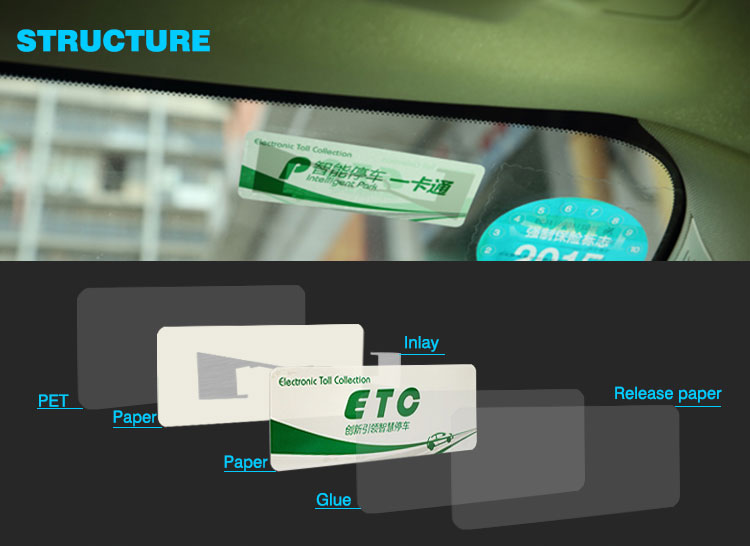
Once the label is illegally removed or damaged, the windshield label will be torn and cannot be reused, ensuring information security.
4. Application
I. Automatic Vehicle Identification and Intelligent Management
Transport Vehicle Monitoring: For construction vehicles such as dump trucks and muck trucks, RFID tags can be used in conjunction with weighing stations or inspection stations to achieve long-distance automatic identification and registration, real-time statistics on vehicle numbers, passage frequency, and settlement data, improving transportation efficiency.
II. Vehicle Lifecycle Management
Manufacturing and Warehousing Management
Sales and Used Car Management: In new car sales, tags store vehicle model, configuration, and other information, which consumers can quickly obtain by scanning
RFID windshield tags, featuring characteristics such as being passive, enabling long-range and rapid reading/writing, and offering customization, have become an indispensable tool in modern vehicle management.