
Basic Information
Product Name:Ammonium Sulfate/Ammonium Sulphate/Sulfate of Ammonia
Chemical Name: Ammonium Sulfate/Sulfate of Ammonia
Molecular Formula: (NH₄)₂SO₄
Molecular Weight: 132.14CAS No.: 7783-20-2HS Code: 310221
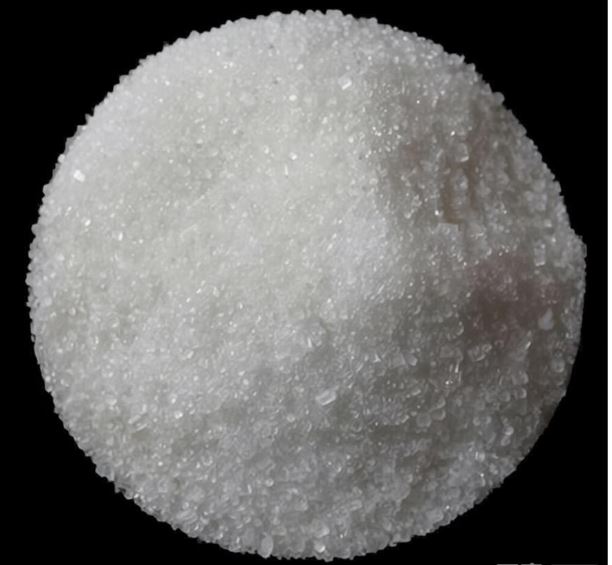
Appearance: White crystalline powder or granules, free from visible mechanical impurities
Odor: Odorless
Density: 1.77 g/cm³ (20℃)
Melting Point: Decomposes at 280℃, releasing ammonia and sulfuric acid
Solubility: Easily soluble in water (76.7 g/100mL at 25℃), insoluble in ethanol and acetone
Nitrogen Content: ≥20.5%
2. Technical Specifications ( GB/T 1396-2015)

3.Core Characteristics
Ammonium Sulfate is a high-efficiency inorganic nitrogen fertilizer and basic chemical raw material, containing 20.5%-21% nitrogen and 24% sulfur. It has excellent water solubility, stable chemical properties, and no volatile loss. With high purity and uniform particle size, it dissolves rapidly in water with low impurity content, suitable for various fertilization and industrial production scenarios.
4. Main Applications
1.Agriculture
Ideal fast-acting nitrogen and sulfur fertilizer. It boosts crop growth, increases yield and improves crop quality. Suitable for most crops and neutral or alkaline soils, available for base fertilizer and top dressing.
2. Industry
Widely used as professional chemical raw materials and auxiliaries. Main applications include production of ammonium salts and flame retardants, electroplating treatment, textile printing and dyeing, rare earth leaching, leather processing, battery manufacturing and building materials industry